Tangier, located at the northern tip of Morocco, is a fascinating and cosmopolitan city. Known as the “Gateway to Africa” because of its proximity to Europe, Tangier has a rich history and a diverse culture, making it an unmissable destination.
History of Tangier
The history of Tangier is ancient and complex, dating back to the time of the Phoenicians. The city was conquered by the Romans, the Vandals, the Byzantines, the Arabs and the Portuguese. In the 19th and 20th centuries, Tangier became an international zone, attracting writers, artists and diplomats from around the world. This period has left a lasting imprint on the city’s culture and architecture.
Development and Modernization
The development of Tangier was accelerated by the creation of the Tanger Med port, one of the largest ports in Africa, which strengthened its position as an international logistics hub. The city has also seen the construction of numerous hotels, residential complexes and industrial zones, attracting national and international investors. The modernization of infrastructure, such as the Al Boraq high-speed train linking Tangier to Casablanca, has facilitated travel and enhanced the city’s appeal.
Architecture of Tangier
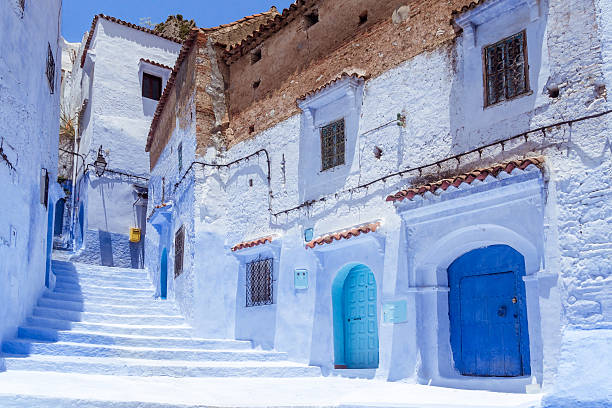
The architecture of Tangier is a blend of Moroccan, European and Moorish styles. Tangier’s medina, with its narrow streets and white houses, offers a glimpse into traditional Moroccan architecture. The Grand Socco and the Petit Socco are lively squares surrounded by cafés and historic buildings. The Mendoubia Palace, the Mendoubia gardens and the kasbah of Tangier are examples of the city’s architecture and heritage.
Culture and Urban Life
Tangier’s culture is influenced by its geographic position and its cosmopolitan history. The city is a vibrant cultural center with numerous festivals, theaters and art galleries. The Tangier International Film Festival and the Tanjazz Festival attract artists and visitors from around the world. Literary cafés, such as the famous Café Hafa, are meeting places for writers and artists. Traditional markets, such as the kasbah souk, offer a variety of handicrafts, textiles and souvenirs.