Moroccan craftsmanship is known for its diversity and richness, it is marked by a long tradition and great expertise. It is influenced by the different cultures that have crossed Morocco over the centuries, notably Arab, Berber, African and Andalusian. There is a wide variety of handcrafted items produced in different regions of Morocco, each with its own style and technique.
- Pottery: Moroccan pottery is famous for its colorful, hand-decorated shapes, such as pots, plates, bowls and vases. Moroccan potters use traditional techniques to shape and decorate clay, notably the hand wheel, throwing and modeling techniques.
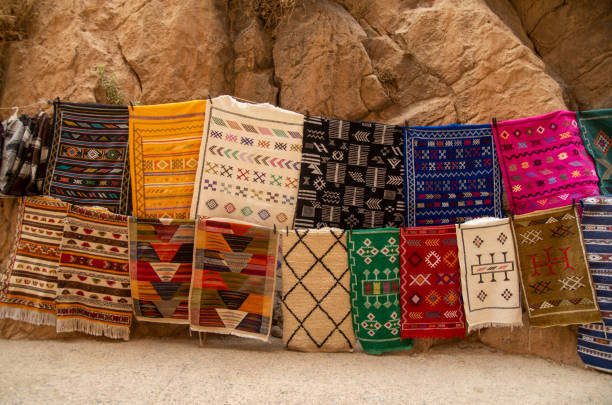
- Rugs: Moroccan rugs are renowned for their quality, beauty and originality; they are handmade with natural materials such as wool and cotton. There are different styles of rugs, such as Berber rugs, rugs from Fès, rugs from Tazenakht and rugs from Tanger.
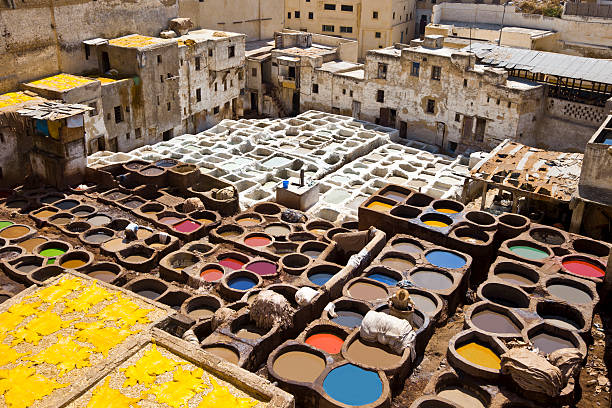
- Leather goods: Moroccan leather is known for its quality and durability; Moroccan artisans work with sheep, goat and cow hides to create items such as handbags, wallets, belts and shoes.
- Enamel: Enamel work in Morocco is a very ancient technique; it is used to decorate pottery, jewelry and metal objects. Moroccan artisans use vivid colors to create geometric patterns and scenes inspired by nature.
- Weaving: Moroccan weaving is renowned for its colorful patterns and noble materials. Moroccan artisans use traditional techniques to weave items such as fabrics, blankets, rugs, wall hangings and cushions.
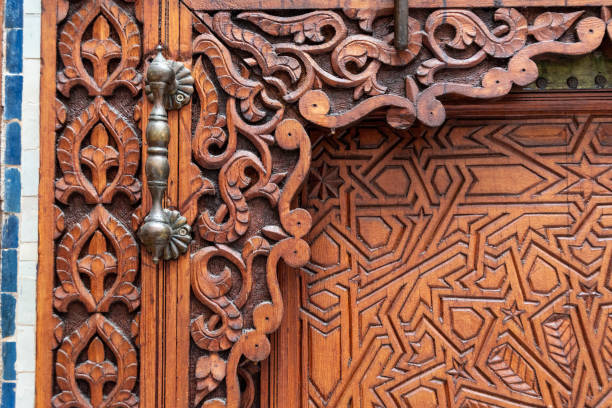
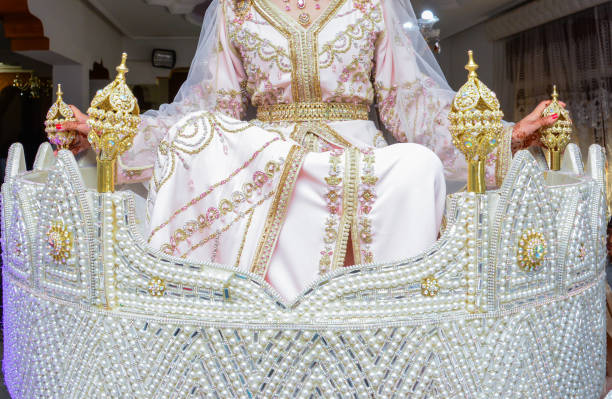
There are many other Moroccan crafts as well, such as wood carving, mosaic, marquetry, sculpture, blacksmithing, jewelry making, etc. It is important to note that these crafts are high-quality handmade products; they are a symbol of Moroccan culture and are often used to decorate homes, apartments and to give as gifts.