Explore the culture of the prickly pear in Morocco, this emblematic fruit that occupies a central place in Moroccan cuisine and that reflects the country’s history and traditions.
The Prickly Pear: A Fruit Originating from Mexico
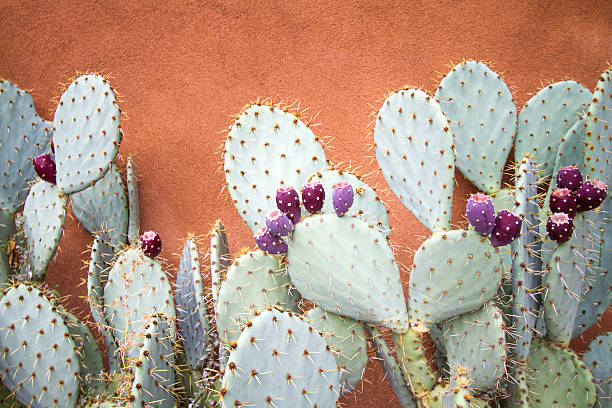
The prickly pear, also known as “prickly pear” or “Opuntia”, originates from Mexico. It was introduced to Morocco by the Spanish in the 18th century and quickly adapted to the Moroccan climate. Thanks to its ability to thrive in arid regions, it has become one of the most appreciated fruits in Moroccan cuisine.
A Fruit Rich in Benefits
The prickly pear is a true source of health benefits. Rich in vitamin C, antioxidants and fiber, it is renowned for its anti-inflammatory properties and its beneficial effects on the digestive system. Regular consumption can help strengthen the immune system and prevent certain diseases.
A Delicate Harvest
Harvesting the prickly pear is a delicate process because of its spines. Moroccan growers use special gloves to protect their hands when picking ripe, juicy fruits. They must be careful to avoid pricking themselves while ensuring careful harvesting to preserve the quality of the fruits.
A Versatile Fruit in Moroccan Cuisine
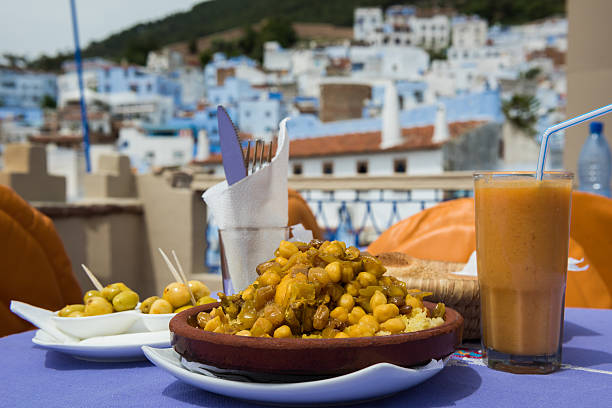
The prickly pear is widely used in Moroccan cuisine for its unique taste qualities. It can be eaten raw, made into juice, jam or used as an ingredient in a multitude of sweet and savory dishes. Moroccans often use this fruit in fresh salads, tagines, desserts and even in refreshing drinks.
A Sweet and Refreshing Flavor
The sweet and refreshing taste of the prickly pear makes it a popular snack during Morocco’s hot summer days. Its fresh juice is also appreciated for quenching thirst. Street vendors often offer freshly cut prickly pears to passersby looking to refresh themselves.
The Prickly Pear in Moroccan Culture
Beyond its nutritional properties, the prickly pear is deeply rooted in Moroccan culture. It is often associated with traditional festivals and family celebrations. Some regions of Morocco even organize festivals dedicated to this delicious fruit.
A Prickly Pear for Handicrafts
Prickly pears are not only used for consumption. Their skin is used to create beautiful natural dyes in Moroccan handicrafts. The pigments extracted from these fruits are used to dye textiles and create unique works of art.
Preserving an Ancient Tradition
The cultivation of the prickly pear is a heritage passed down from generation to generation. Moroccan farmers strive to preserve this ancestral tradition by cultivating these precious fruits with care. This practice helps maintain traditional know-how and preserve Morocco’s cultural identity.
Commitment to Sustainable Development
More and more farmers are adopting sustainable agricultural practices to cultivate the prickly pear, thus contributing to the preservation of the environment and local biodiversity. This ecosystem-respecting approach also ensures the sustainability of the cultivation of this emblematic fruit.