The hammam is an institution deeply rooted in the Moroccan culture. This public bath is more than just a place to wash; it is a place of relaxation, socialization and ritual. Visiting a hammam immerses one in an age-old tradition that combines well-being and spirituality.
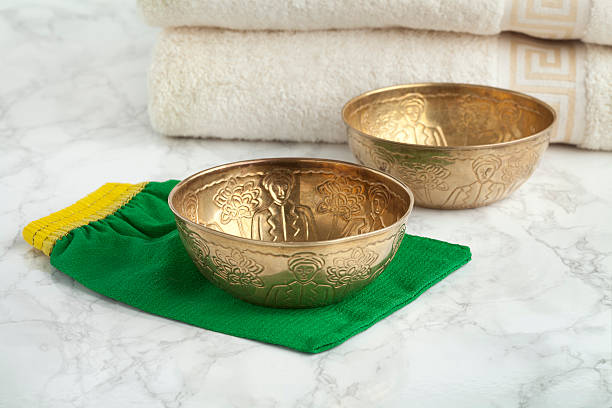
Hammams can be found throughout Morocco, from large cities to small villages. These establishments are generally gender-segregated and offer a unique experience of purification for the body and mind. The hammam ritual begins with a session in a hot room, where the steam opens the pores of the skin. Then, one moves on to a vigorous scrub with black soap and an exfoliating glove called a kessa. This step is essential to remove dead skin and cleanse deeply.
After the scrub, one rinses thoroughly before moving on to a relaxation phase. You can rest on warm marble benches, chat with other visitors or even enjoy a massage. The hammam is also a meeting place where people exchange news, advice and stories.
The black soap used in hammams is a traditional product made from black olives and olive oil. It has exceptional moisturizing and purifying properties. Combined with rhassoul clay, another natural product typically Moroccan, it can be used to make masks and treatments for the skin and hair. Rhassoul is extracted from the Atlas Mountains and is known for its detoxifying virtues.
Visiting a hammam is a complete sensory experience. The scent of essential oils, the enveloping warmth of the steam, and the touch of the treatments provide an incomparable sense of well-being. The hammam is not only a Moroccan tradition, but a true invitation to relaxation and revitalization.
The hammam is an ancestral practice that offers many benefits. Whether to relax, purify oneself or socialize, the hammam remains a living and essential tradition in Morocco. To discover this unique experience, dive into the mystery of Moroccan hammams.