The haik is a traditional Moroccan garment that symbolizes modesty and purity. This long white cloth, worn by women, wraps the body from head to toe, representing an essential part of Moroccan cultural heritage.
Origins and Meaning
The haik has its origins in the ancient history of Morocco and North Africa. Used for centuries, it is closely associated with the Berbers and rural communities. The haik is a symbol of modesty and respect, often worn for public outings and religious ceremonies.
Materials and Manufacture
The haik is generally made of high-quality wool or cotton. Artisans weave these materials carefully to create a fabric that is light and breathable, while being thick enough to offer protection against the sun and wind. The white color, typical of the haik, symbolizes purity and simplicity.
Styles and Wearing
There are different ways to wear the haik, each style reflecting regional and cultural influences. The haik can be draped in various ways to cover the body elegantly. For example, in the Rif and Atlas regions, women use pins to fasten the haik, creating harmonious pleats that add a touch of refinement. In urban areas, the haik is often paired with a scarf or veil, called a mendil, which completes the outfit.
Traditional and Modern Use
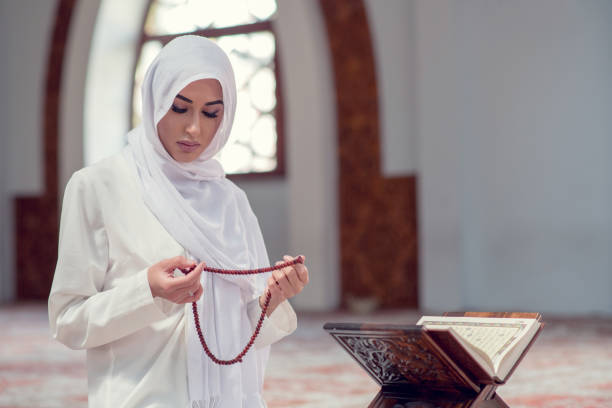
The haik is worn at religious ceremonies, weddings, and cultural events. It is also used for visits to the mosque and solemn occasions. Although its daily use has declined with modernization, the haik remains a respected garment during religious celebrations such as Eid and Ramadan. Some women choose to wear the haik to preserve family and cultural traditions.
The Haik in Contemporary Fashion
With the growing interest in traditional clothing, the haik has regained a place in contemporary fashion. Moroccan and international designers revisit the haik, incorporating modern elements while respecting its traditional essence. This has allowed the haik to become a source of inspiration for contemporary creations, combining tradition and modernity.
The Moroccan haik is much more than a simple garment. It represents a strong link with the past and traditions, while finding its place in the present. Its simplicity and elegance make it a timeless garment, rich in meaning and symbolism.