Le Morocco has come a long way since its days of caravans crossing the Sahara to become a economic power in Africa and the world. This journey is marked by continuous transformation and visionary strategies that have positioned Morocco as a key player in international trade.
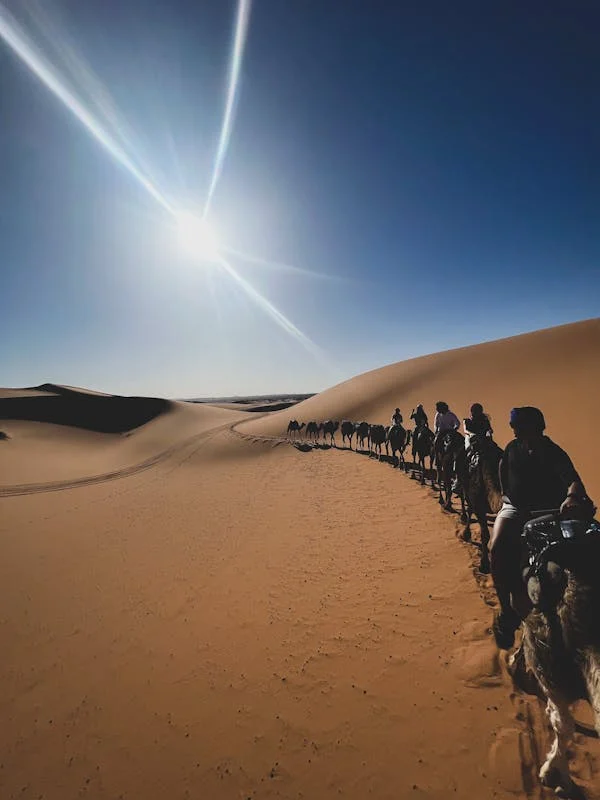
The era of the caravans was the first stage of Morocco’s commercial rise. Caravans crossing the Sahara Desert carried valuable goods such as gold, salt, spices and slaves. Caravan routes connected cities like Marrakech, Fès and Sijilmassa to the sub-Saharan and Mediterranean regions. These exchanges enriched Morocco, transforming its cities into centers of commerce and culture.
With the advent of Islamic dynasties, Morocco strengthened its role in trans-Saharan trade. The Almoravids and the Almohads extended their control over much of the Maghreb and Spain, establishing trade routes that promoted commerce between Africa, Europe and the Middle East. Ports such as Essaouira and Tangier became hubs for maritime exchanges, facilitating trade with regions as distant as India and China.
In the 20th century, Morocco experienced a period of modernization under the French protectorate, which introduced new infrastructure and industries. Independence in 1956 marked the beginning of an era of national economic development, with efforts to diversify the economy beyond agriculture and mining. Phosphates, in particular, became a strategic resource, with Morocco being one of the world’s leading producers.
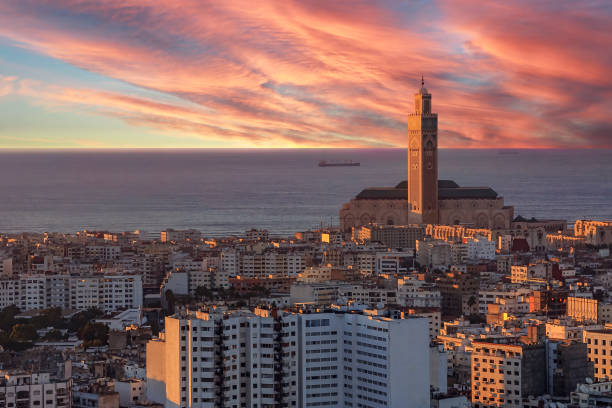
Modern Morocco is a diversified economy with key sectors such as agriculture, tourism, automotive, aerospace and phosphates. The country has invested heavily in infrastructure to support this growth. The Tanger Med port, for example, is a major logistics hub that competes with the world’s largest ports. The high-speed rail network and new highways have improved connectivity across the country.
Free trade agreements with partners such as the European Union and the United States have opened new markets for Moroccan products. Morocco is also an active member of the African Continental Free Trade Area (AfCFTA), which strengthens its economic ties with the rest of Africa.
The tourism sector continues to thrive, attracting millions of visitors each year. Initiatives like the Plan Azur have developed new resort areas along the Atlantic and Mediterranean coasts, while sustainable tourism programs aim to preserve the country’s natural and cultural resources.
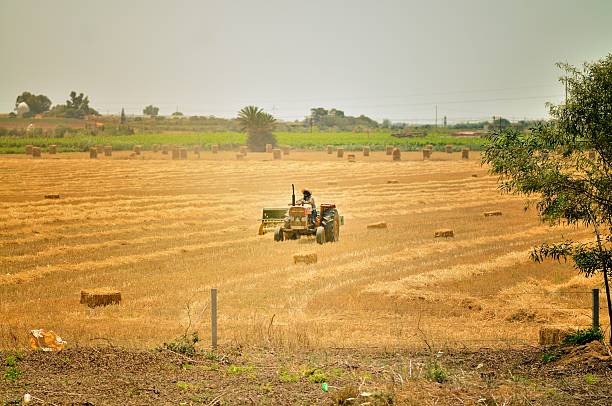
The future of Morocco is centered on innovation and sustainability. The Plan Maroc Vert aims to modernize agriculture by introducing sustainable farming techniques and improving productivity. The Plan d’accélération industrielle seeks to transform Morocco into an industrial base for the sectors of automotive and aerospace. The Maroc Digital 2020 program emphasizes the development of information and communication technologies, positioning the country as a leader in the digital economy in Africa.
The evolution of Morocco, from its caravan roots to its current status as an economic leader, is a story of resilience and innovation.