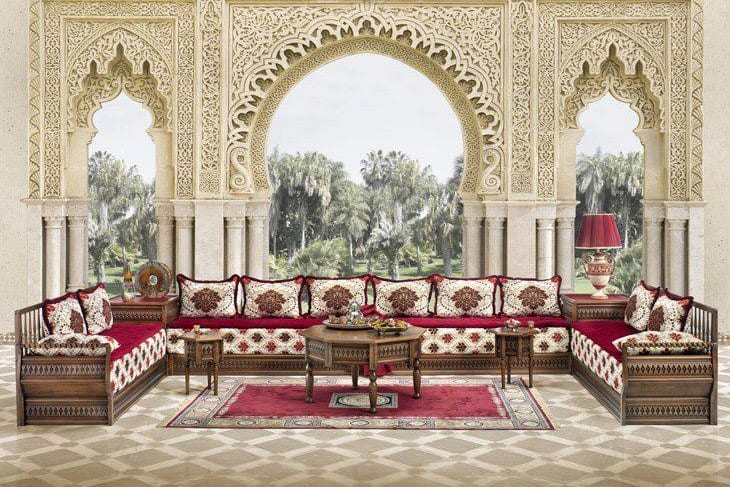
The salon is an important space in Moroccan culture, where guests are received for special occasions. Traditional Moroccan salons are rich in detail and reflect the country’s culture and traditions.
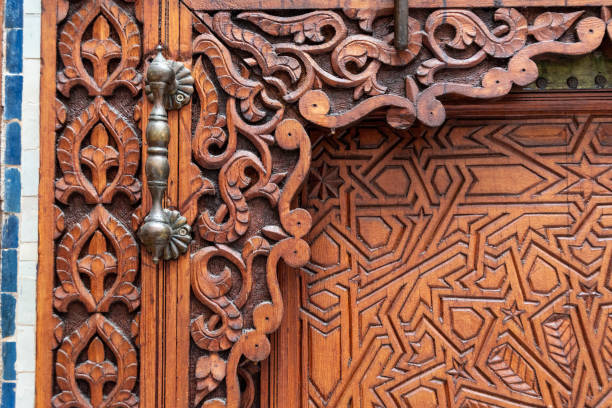
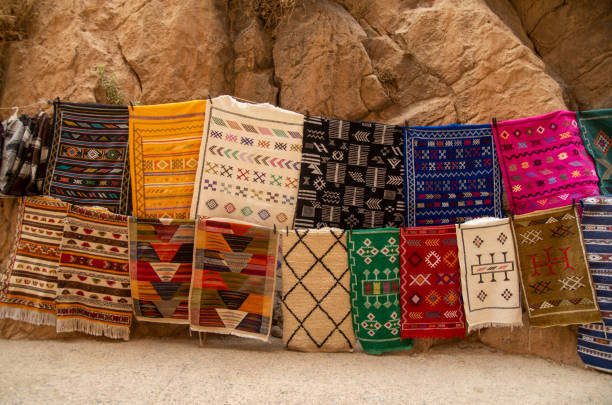
These salons are often lavishly decorated, with walls adorned with colorful mosaics and complex geometric patterns. Moroccan rugs are also an important element of the décor, with their vivid colors and traditional motifs. Furniture, such as carved wooden benches and brass tables, is also beautifully decorated.
Another key element of traditional Moroccan salons is the food and drink. Guests are often welcomed with a tray of nuts and dried fruits, as well as fresh mint tea, a popular beverage in Morocco. Meals served in these salons are often traditional Moroccan dishes, such as couscous, tagine or pastilla.
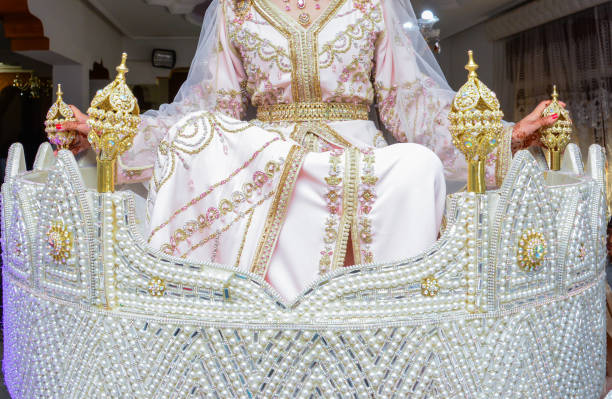
These salons are also gathering spaces for artistic performances, with musicians and dancers entertaining guests. Religious celebrations, weddings and baptisms are common occasions for which these salons are used.
Traditional Moroccan salons are therefore an important part of Moroccan culture, with their magnificent décor, delicious food and festive atmosphere. They reflect the country’s traditions and values and are a source of pride for Moroccans.