The Berber people of the Rif are one of the oldest and most resilient ethnic groups in Morocco. Their history is marked by a constant struggle to preserve their culture, their identity and their autonomy in the face of various external influences, whether Arab, European or colonial. This article explores the essential aspects of Rifian identity, their unique culture and their history of resistance.
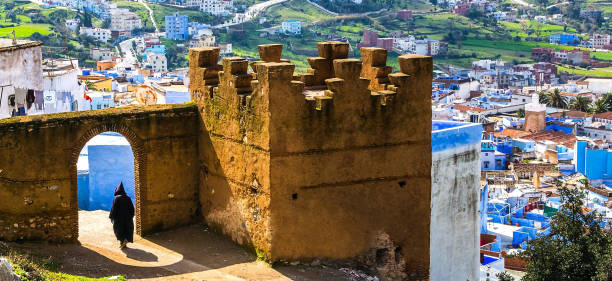
The Berbers, or Amazighs, are the indigenous inhabitants of North Africa, and the Rifains constitute a sub-ethnic group of this people. The Rif, with its steep mountains and its access to the Mediterranean, has always been a region difficult to conquer and control. This geography has played a crucial role in maintaining the independence and autonomy of the Berbers of the Rif for centuries.
The Rif language, a dialect of Tamazight, is one of the pillars of the identity of the Berber people of the Rif. Passed down from generation to generation, this language is more than a mere means of communication; it reflects a rich and ancient culture. The transmission of this language and the associated traditions has been a way for the Rifains to resist assimilation and preserve their distinct identity.
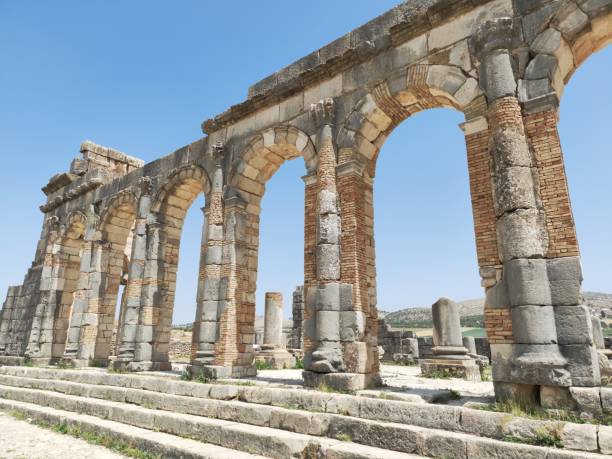
Resistance is a defining feature of the history of the Berber people of the Rif. From Roman times to the colonial era, the Rifains have always fiercely resisted those who sought to dominate them. This resistance reached its peak with the Rif War, led by General Abdelkrim El Khattabi. The victory at Anoual in 1921 against the Spanish army and the creation of the Republic of the Rif in 1923 are examples of this resistance rooted in Rifian culture.
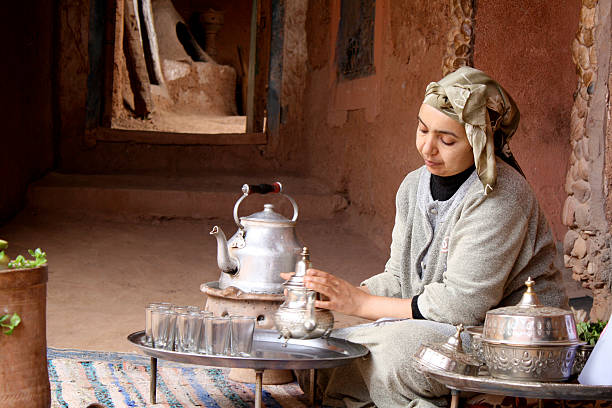
However, Rifian resistance is not limited to the military sphere. The Rifains have also resisted cultural assimilation by preserving their traditions, their customs and their way of life. Agricultural practices, traditional festivals, music and dance are all facets of Rifian culture that have survived despite external pressures. This cultural resistance is a testament to the strength and resilience of the Berber people of the Rif.
Today, the Berber people of the Rif continue to struggle for the recognition of their cultural and linguistic rights. The Amazigh movement, which seeks to promote and preserve Berber culture throughout Morocco, is particularly strong in the Rif. This region remains a stronghold of Berber culture, with a population proud of its roots and determined to pass them on to future generations.