The chemical warfare carried out by the Spanish and French colonial forces in the Rif region during the Rif War (1921-1926) constitutes a dark and often overlooked episode in Morocco’s history. This article explores the impact of this chemical warfare on the Berber people of the Rif, the motivations of the colonial powers, and the long-term repercussions on the region.
The Rif War, led by General Abdelkrim El Khattabi, pitted the Riffian tribes against the Spanish and French colonial forces. After the decisive victory of the Riffians at the Battle of Annual in 1921, the Spaniards, eager to regain control of the region and avenge their defeat, intensified their military campaign. Faced with the fierce resistance of the Berbers of the Rif, the colonizers resorted to increasingly brutal means to crush the rebellion, including the use of chemical weapons.
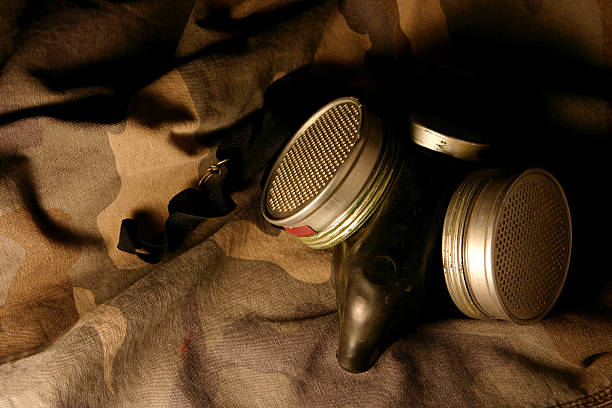
Spain, with the tacit support of France, began to use toxic gases, notably mustard gas, against Rif villages. These attacks aimed to terrorize the civilian population and destroy the support bases of Abdelkrim’s forces. The chemical bombings affected not only combatants but also women, children, and the elderly, causing immense suffering and atrocious deaths.
The immediate effects of the use of mustard gas were devastating: severe burns, blindness, lung injuries, and death. However, the long-term consequences were equally terrible. Survivors suffered from chronic illnesses, and contaminated lands were rendered infertile, affecting the region’s food security for years. Moreover, the chemical attacks left deep psychological traumas within the Riffian population, which have been passed down from generation to generation.
The decision to use chemical weapons in the Rif was motivated by the colonial powers’ desire to break Riffian resistance by any means necessary. At the time, the use of toxic gases was not explicitly prohibited by international law, which allowed the Spaniards to act without fear of legal repercussions. Nevertheless, these acts were widely condemned by international public opinion, even if they did not lead to concrete sanctions against Spain.
Despite the historical significance of these events, the consequences of chemical warfare in the Rif have been largely ignored in the official narratives of the former colonial powers. The Spanish and French governments avoided acknowledging their responsibility for these attacks, and efforts to obtain reparations for the victims have been in vain. The silence surrounding this tragic episode reflects a broader tendency to minimize or forget the suffering of colonized peoples.
However, the Berber people of the Rif have not forgotten. The memory of these chemical attacks is deeply rooted in the collective consciousness of the Riffians. Commemorations and oral accounts perpetuate the memory of this period, and calls for recognition and justice continue to be made. Some activists and Moroccan and international historians advocate for these war crimes to be officially recognized, and for reparations to be granted to the descendants of the victims.
Today, the consequences of chemical warfare in the Rif are still visible. The region remains one of the poorest and least developed in Morocco, partly because of the devastation caused by the chemical attacks. The collective trauma inherited from this period continues to fuel a sense of injustice and marginalization among Riffians, which sometimes manifests in protest movements.