At the heart of Moroccan gastronomy, the art of cooking vegetables proves to be a true symphony of flavors, colors, and traditions. Moroccan cuisine, rich in heritage and diversity, highlights a variety of vegetables that transcend taste boundaries. Let’s dive into this culinary world by exploring the techniques, ingredients, and secrets that make each dish an unforgettable delight.
1. Authentic ingredients:
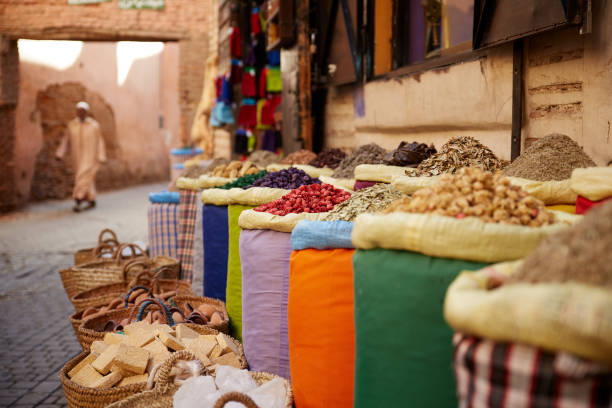
In Morocco, cooking relies on the use of carefully selected spices, such as cumin, saffron, and ras el hanout. These ingredients give vegetables a unique aromatic dimension. The country’s lively markets offer a vibrant spectacle of colors with stalls overflowing with fresh vegetables such as carrots, zucchini, eggplants, and peppers.
2. Preparation techniques:
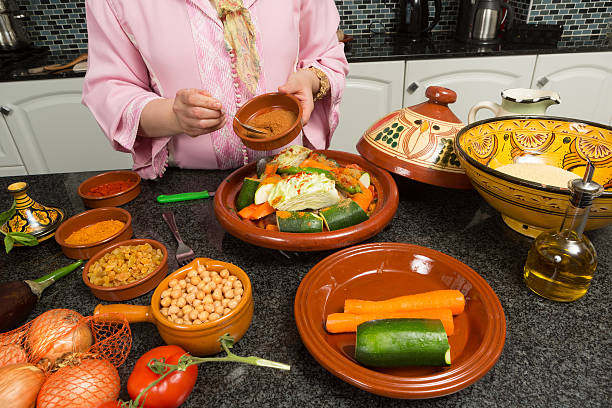
Slow cooking and patience are the watchwords of Moroccan cooking. Vegetables are often simmered in clay tagines, allowing the flavors to blend harmoniously. Traditional recipes, like the couscous with seven vegetables, demonstrate the art of marrying textures and tastes.
3. Signature dishes:
Among the signature dishes, the vegetable tagine stands out for its simplicity and exquisite taste. The vegetables, cut into generous pieces, are imbued with the captivating aromas of the spices, thus creating an explosion of flavors in the mouth.
4. The sweet-and-salty balance:
One notable characteristic of Moroccan cuisine is the subtle balance between sweet and salty. Vegetable dishes are often enhanced with dried fruits such as apricots and raisins, adding a sweet touch that perfectly complements the richness of the flavors.
5. A cuisine for all seasons:
The art of cooking vegetables in Morocco adapts to the seasons, offering a diversity of recipes according to the available produce. From spring couscous to autumn tagines, each season brings its own delights to savor.