The Moroccan economy has undergone a significant transformation over the past decades. The country has undertaken major economic reforms and diversified its sectors to support sustained growth.
Traditional Sectors
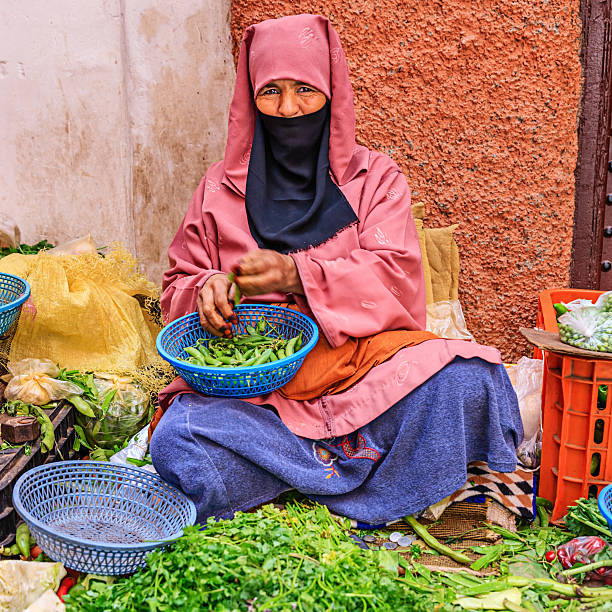
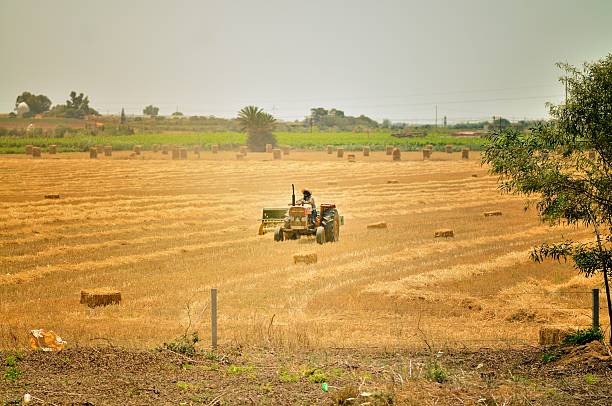
Agriculture is a pillar of the Moroccan economy. It accounts for around 15% of GDP and employs a large part of the population. The main crops include cereals, fruits, vegetables, and olives. Morocco is also one of the main exporters of agricultural products to Europe.
Fishing is another important sector, thanks to the country’s long Atlantic coastline. Morocco has one of the largest fishing zones in the world, with seafood such as sardines and shrimp.
Industry and Mining
The Moroccan industrial sector is diversified. It includes industries such as automotive, aerospace, textiles, and chemicals. The production of phosphates is particularly important, with Morocco holding the largest phosphate reserves in the world. Phosphate mines are a major source of revenue for the country.
Tourism
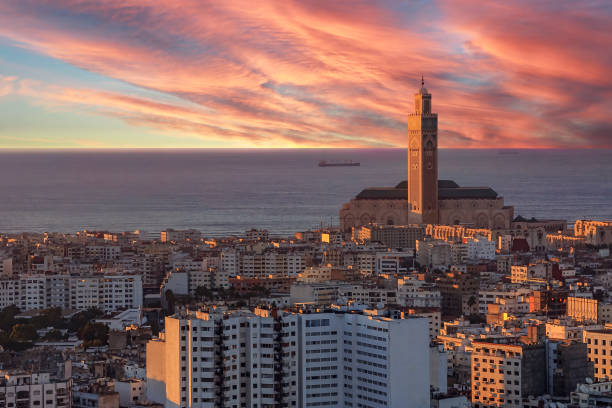
Tourism is a key sector of the Moroccan economy. The country attracts millions of visitors each year, thanks to its historic sites, diverse landscapes, and rich culture. Cities such as Marrakech, Fes, and Agadir are popular tourist destinations.
Tourism contributes significantly to the GDP and creates many jobs. The Moroccan government has implemented strategies to develop the sector, investing in infrastructure and promoting the country internationally.
Energy and Renewables
Morocco is a leader in renewable energy in Africa. The country has launched several ambitious projects to reduce its dependence on fossil fuels. The Noor solar plant, located in Ouarzazate, is one of the largest in the world and demonstrates Morocco’s commitment to clean energy.
The Moroccan solar plan aims to produce 52% of the country’s electricity from renewable sources by 2030. The development of renewable energy is crucial for the country’s energy security and sustainable growth.
Economic Reforms and Investments
Morocco has undertaken significant economic reforms to improve the business climate and attract the foreign investment. The reforms have included market liberalization, modernization of the banking system, and the creation of free zones to encourage businesses.
Foreign direct investment (FDI) has played a key role in Morocco’s economic growth. International companies have invested in various sectors, notably automotive, aerospace, and information technology.
Challenges and Opportunities
Despite the progress made, the Moroccan economy faces several challenges. The unemployment rate, particularly among young people, remains high. Regional disparities and social inequalities are also persistent problems.
However, Morocco presents many opportunities. The country’s strategic geographic position, at the crossroads of Europe and Africa, makes it an ideal logistical and commercial hub. Initiatives to develop the technology sectors and startups also offer promising prospects.
The Moroccan economy is dynamic and in the midst of transformation. The country continues to diversify its economic sectors and attract investments to support sustainable growth. Morocco is positioning itself as a key player in Africa and on the global stage.