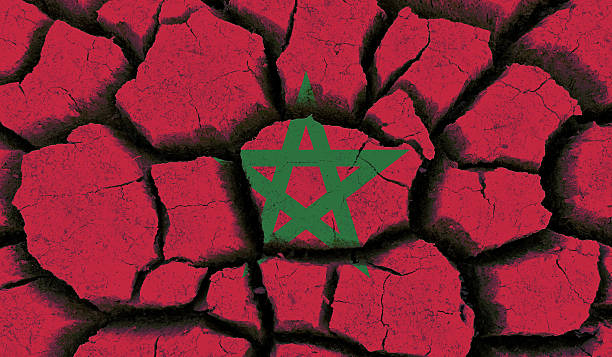
The Morocco, a gem of North Africa, is a country that offers a rich history, a vibrant culture and breathtaking natural beauty. However, beyond its cultural diversity and stunning landscapes, Morocco also lies on a seismic zone, making it a region of major geological interest. In this article, we will explore in detail the key elements that make Morocco a country located on a seismic zone, the associated risks and the measures taken to face these challenges.
The geology of Morocco
Morocco is located at the junction of the African Plate and the Eurasian Plate, which places it in an active geological region. This ongoing collision between the two plates creates considerable pressure, which in turn causes tectonic movements and earthquakes.
The history of earthquakes in Morocco
Morocco has a history marked by major earthquakes. One of the most devastating quakes in the country’s history was the 1960 Agadir earthquake, which caused thousands of deaths and enormous material damage. This tragic event marked a turning point in Moroccan national awareness regarding seismic risks. Thus, it is essential to note the importance of preparedness and the management of seismic disasters.
Prevention and preparedness measures
Morocco has drawn important lessons from its seismic past. Today, the country is engaged in strengthening infrastructure and implementing prevention and preparedness measures.
The Moroccan government has invested in the construction of earthquake-resistant buildings, particularly in high-risk areas. Seismic building codes have been reinforced to ensure that new structures are designed to withstand seismic shaking. In addition, Morocco has developed an early warning system to alert the population in the event of an imminent earthquake, thereby allowing people to move to safety.
Challenges to address
Although Morocco has made great progress in reducing seismic risks, challenges remain. One of the main challenges is public awareness of seismic risks and how to react in the event of an earthquake. Education and training of the population are essential to ensure that every citizen knows how to behave in a natural disaster.
Moreover, Morocco continues to closely monitor its seismic activity, using networks of advanced seismic sensors to track movements of the Earth’s crust. This constant monitoring allows for a better understanding of seismic patterns and more precise forecasting of future risks.
Morocco, a country of great beauty and of invaluable cultural richness, lies on an active seismic zone due to the collision between the African Plate and the Eurasian Plate. This unique geological situation generates seismic risks, but Morocco has made substantial progress in reducing these risks.
The Moroccan government has invested in building earthquake-resistant structures, improving construction standards, and implementing an early warning system. However, challenges remain, notably public awareness and the need to remain vigilant in the face of seismic activity.