In a globalized economic context, Morocco occupies a strategic position in the agri-food trade. In this article, we will examine in detail Morocco’s role on the international stage as a major player in this sector. Through concrete examples and key figures, we will highlight Morocco’s strengths and prospects in the agri-food trade.
Morocco’s advantageous geographical position:
Thanks to its privileged geographic location between Europe, Africa and the Middle East, Morocco benefits from facilitated access to international markets. This strategic positioning allows it to export its agri-food products to various countries, thereby supporting its economic development.
Moroccan agriculture, diversity and growth potential:
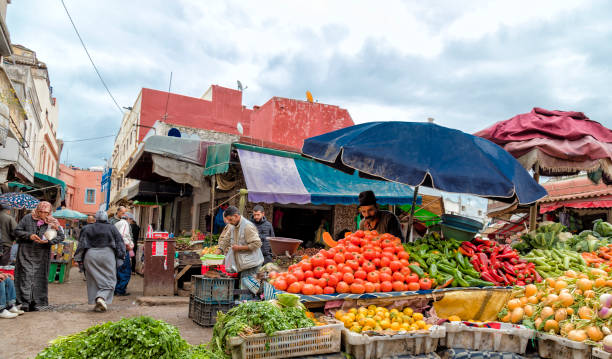
Morocco stands out for the diversity of its agriculture. Traditional crops such as citrus fruits, olives, cereals and vegetables coexist with more specific productions like dates, figs and fishery products. This variety gives Morocco an important competitive advantage on the international market.
In 2020, Morocco’s agri-food exports reached nearly 3 billion dollars, with a steady increase in recent years. The main destination markets include the European Union, Gulf countries and sub-Saharan Africa. Among Morocco’s flagship exported products are citrus fruits, seafood, vegetables and olive oils.
Take the example of Moroccan citrus fruits, which represent a significant share of exports. Morocco is one of the main suppliers of citrus in Europe, thanks to the quality of its products and their availability throughout the year.
Future prospects:
Morocco has committed to a strategy to develop the agri-food sector, aiming to strengthen its competitiveness and diversify its markets. Significant investments are being made in modernizing infrastructure, research and development, as well as in promoting Moroccan products internationally.