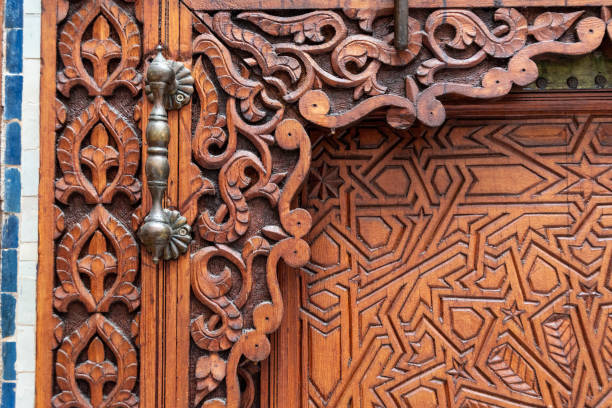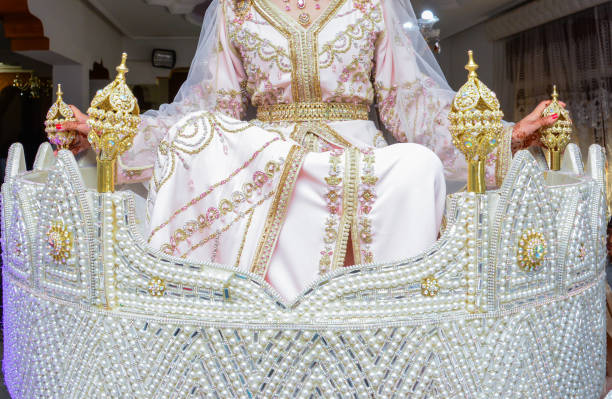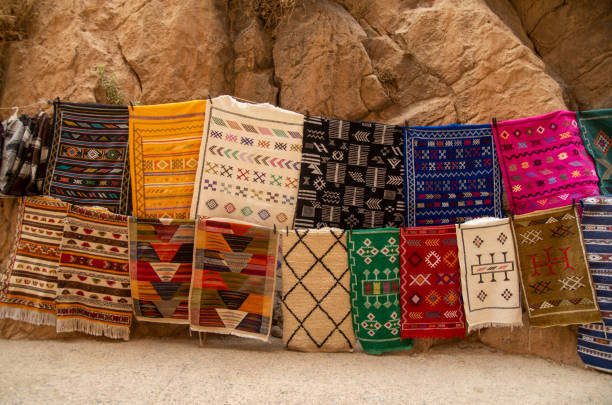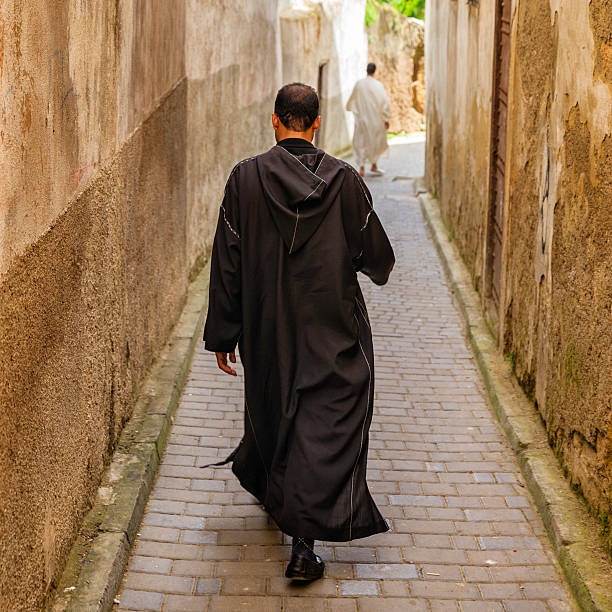
Moroccan society is a complex blend of ancient traditions and modern dynamics. It is characterized by cultural, religious, and linguistic diversity, as well as a constant evolution toward modernity.
Cultural and Ethnic Diversity
The Morocco is a mosaic of cultures and ethnicities. Berbers (or Amazighs) are the indigenous inhabitants of the country, and their culture and language are an integral part of Moroccan identity. Arabs have also had a major influence, brought by historical invasions and migrations.
Moroccan Jews constitute another important component of society, although their numbers have declined over the decades. Sub-Saharan Africans, attracted by economic opportunities and studies, also enrich Morocco’s social fabric.
Languages and Education
Morocco is a multilingual country. Arabic is the official language, while Berber (Amazigh) was also recognized as an official language in 2011. French is widely used in administration, education, and business due to the colonial legacy. Spanish is common in the northern part of the country.
Education in Morocco has undergone significant reforms. The government has invested in improving school infrastructure and access to education for all. Despite these efforts, the education system faces challenges such as dropout rates and regional disparities.
Religions and Spiritual Practices
Islam is the predominant religion in Morocco, with the majority of Moroccans practicing Sunni Islam of the Maliki rite. Religious practices play a central role in daily life, with mosques present in every town and village.
Sufism, a mystical branch of Islam, has a notable presence in Morocco. Sufi brotherhoods, such as dervishes and sharifs, are respected for their spiritual and social role. Religious festivals and moussem are important events, celebrating local saints and spiritual traditions.
Role of Women in Society
Moroccan women have seen their role evolve over time. Although patriarchal traditions persist, significant progress has been made in terms of women’s rights. The Moudawana, the family code, was reformed in 2004 to improve women’s rights regarding marriage, divorce, and child custody.
Women play an increasing role in Morocco’s public and economic life. They are present in the education, health, business, and even political sectors. However, challenges remain significant, particularly concerning pay equality and access to leadership positions.
Modernization and Urbanization
Morocco has experienced rapid urbanization over the past decades. Major cities like Casablanca, Rabat, and Marrakech have become dynamic economic and cultural centers. Urbanization has brought economic opportunities but also challenges in terms of housing, infrastructure, and public services.
Moroccan youth are a key driver of modernization. Young people are increasingly connected to the world thanks to information and communication technologies. They aspire to social and economic change while seeking to preserve their cultural identity.
Moroccan society is in perpetual evolution, marked by a rich cultural heritage and modern aspirations. Morocco continues to navigate between traditions and change, forging a unique and dynamic identity.