The Moroccan mashrabiya embodies the excellence of craftsmanship in Morocco, combining aesthetic beauty and cultural heritage. In this article, we will dive into the world of the mashrabiya, exploring its history, manufacturing techniques, uses, and its role in preserving Morocco’s artisanal heritage.
1. Historical Origins of the Mashrabiya
The mashrabiya, also called Mashrabiya, finds its roots in Arab-Muslim art of the Middle Ages. Its appearance dates back to the 8th century, and since then it has evolved to become an emblematic element of Islamic architecture.
2. Traditional Crafting Techniques
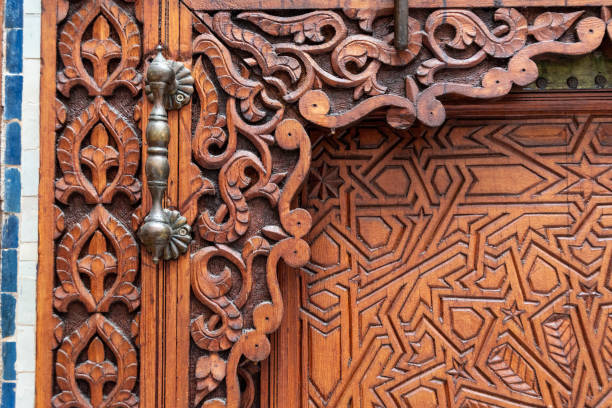
The art of creating a mashrabiya relies on artisan techniques passed down from generation to generation. Moroccan craftsmen use traditional methods, meticulously cutting wood or metal to create complex geometric patterns.
3. Materials Used in Making
The Moroccan mashrabiya can be made from various materials such as wood, metal, alabaster, or plaster. Each material gives the mashrabiya a unique aesthetic, offering a range of choices to artisans and buyers.
4. Geometric Motifs and Calligraphy
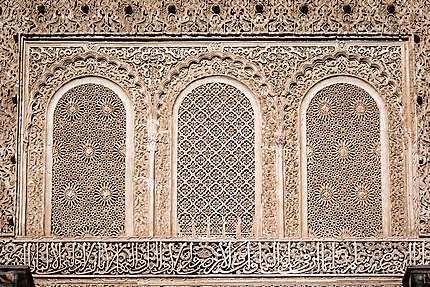
The characteristic motifs of the mashrabiya are often inspired by Islamic art, highlighting complex geometric shapes and sometimes adorned with Arabic calligraphy. These motifs create plays of light and shadow, adding an artistic dimension to the piece.
5. Various Uses in Architecture
Traditionally, the mashrabiya was used in residential architecture to provide privacy and ventilation. Today, it is also used as a decorative element in hotels, restaurants, and public spaces.
6. A Symbol of Moroccan Craftsmanship
The mashrabiya has become a symbol of Moroccan craftsmanship, representing the exceptional know-how of the country’s artisans. It embodies the harmonious fusion of art and functionality.
7. Preservation of Cultural Heritage
The craftsmanship of the mashrabiya plays a crucial role in the preservation of Moroccan cultural heritage. Artisans strive to maintain traditional techniques while introducing contemporary touches to ensure the longevity of this art.
8. Exporting the Mashrabiya
The Moroccan mashrabiya is increasingly in demand internationally. Its export not only contributes to the promotion of Moroccan craftsmanship abroad but also to the strengthening of the local economy.
9. Customization and Made-to-Order Pieces
Many artisans offer customization and made-to-order services, allowing clients to create unique pieces tailored to their tastes and specific needs.
10. The Mashrabiya in Interior Decoration
Beyond its architectural use, the mashrabiya has become a popular element in interior decoration. From mashrabiya screens to inlaid furniture, it brings a touch of elegance and authenticity to modern spaces.
The Moroccan mashrabiya transcends its status as a crafted object to become a work of art imbued with history and tradition.