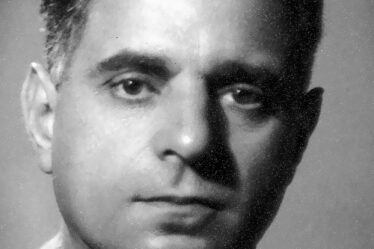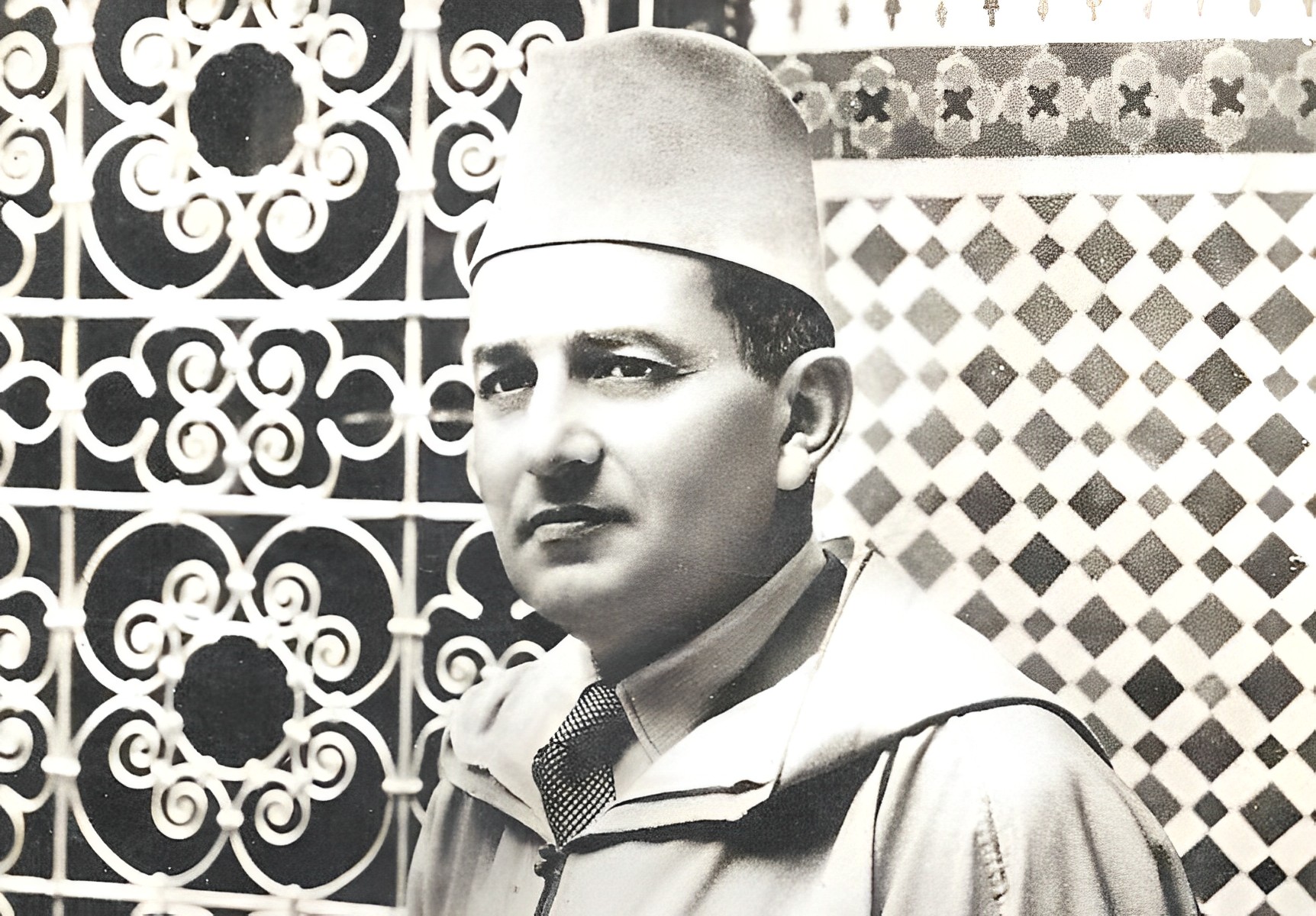
King Mohamed V played a decisive role in Morocco’s history, leading the country to independence and laying the foundations of a modern and united state. Discover the key moments of his reign and the legacy he left to Morocco.
Born in 1909, Mohamed V became Sultan of Morocco in 1927. His reign was marked by the struggle for the country’s independence from French and Spanish colonization. Thanks to his diplomacy and political skill, he managed to forge alliances with other nations, such as the United States and Egypt, and to rally the Moroccan people behind the national cause.
One of the most notable events of his reign was the exile imposed by the French authorities in 1953. He was deported to Corsica, then to Madagascar, because of his support for Morocco’s independence. This decision triggered a strong popular mobilization in Morocco and abroad, prompting France to accept the country’s independence claims.
In 1955, Mohamed V returned triumphantly to Morocco, welcomed by a jubilant crowd. The following year, Morocco obtained its independence and the sultan was proclaimed king. Under his reign, the country underwent major political, economic and social reforms, which laid the foundations of the modern Moroccan state.
Mohamed V thus established a constitutional monarchy in 1962 and set up democratic institutions, such as Parliament and the government. He also worked for national unity, promoting dialogue among the country’s different ethnic and cultural components, notably Arabs and Berbers.
King Mohamed V was also a staunch advocate of solidarity among African and Arab countries. He played a crucial role in the creation of the Organization of African Unity (OAU) in 1963 and supported national liberation movements across the African continent.
In summary, King Mohamed V left an indelible legacy in Morocco’s history. His visionary leadership and his efforts for independence, national unity and the country’s development helped shape modern Morocco.