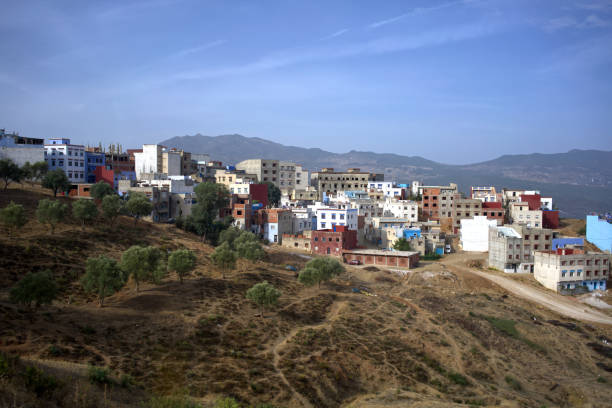
The Rif, a mountainous region in northern Morocco, is home to traditions and customs that captivate with their authenticity. Nestled between the Atlas Mountains and the Mediterranean, the Rif offers a rich and diverse cultural panorama, steeped in history and customs passed down from generation to generation.
Family Customs: Rif families are known for their strong unity. Family traditions occupy a central place in daily life, with regular gatherings around shared meals. Family celebrations, whether weddings or religious observances, are marked by specific rituals and ancestral practices.
Religious Celebrations: Religious celebrations hold particular importance in the Rif. Residents take an active part in Islamic rituals, and religious holidays such as Eid al-Fitr and Eid al-Adha are times of joy and sharing. Local mosques become focal points during these periods, strengthening communal bonds.
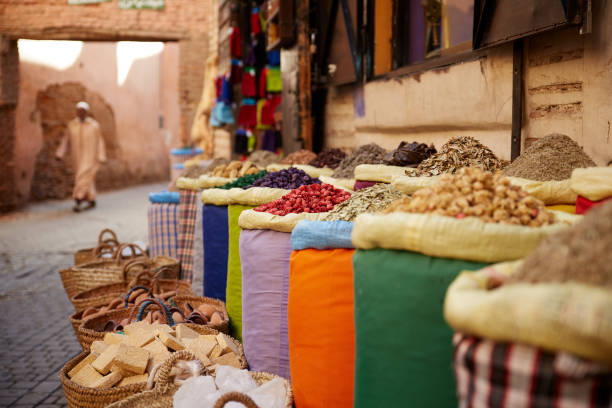
Traditional Crafts: Craftsmanship holds a prominent place in Rif culture. Local artisans perpetuate traditional techniques in weaving, pottery, and woodworking. Berber rugs, renowned for their quality and unique patterns, are the result of ancestral know-how passed down through generations.
Music and Dance: Music and dance punctuate daily life in the Rif. Traditional instruments, such as the bendir and the flute, accompany festive dances. These artistic expressions highlight the region’s cultural identity and are often associated with social and religious events.
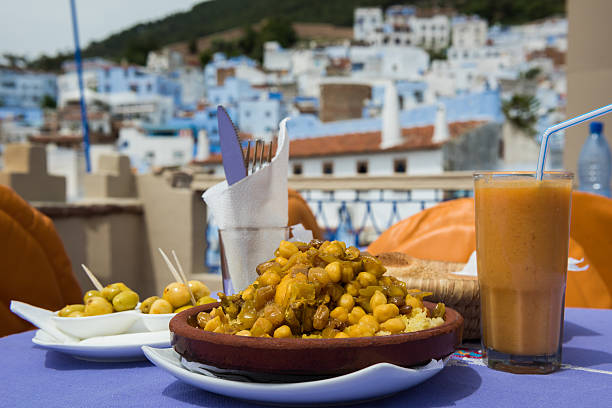
Authentic Cuisine: Rif cuisine is a blend of Mediterranean and Berber flavors. Local dishes, such as Rif couscous and tagine, showcase the region’s fresh produce. Meals are often an opportunity to share stories and strengthen social ties.
Traditional Festivals: The traditional festivals of the Rif are key moments to discover the soul of this region. Local festivals spotlight music, dance, and craftsmanship, offering visitors a full immersion in the Rif’s vibrant culture.
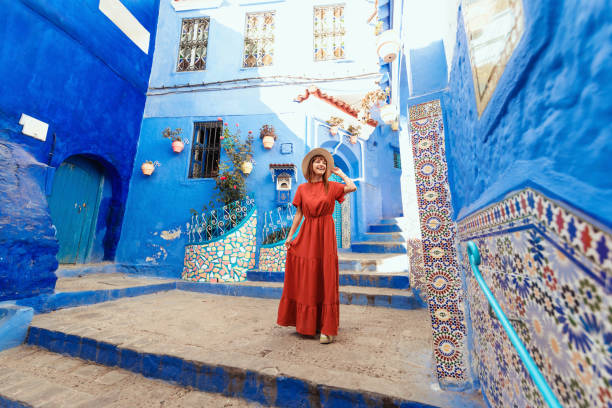
Berber Heritage: The Rif is deeply connected to Berber heritage. The ancestral customs of the Berbers, visible in local architecture and daily practices, add a unique dimension to Rif culture.