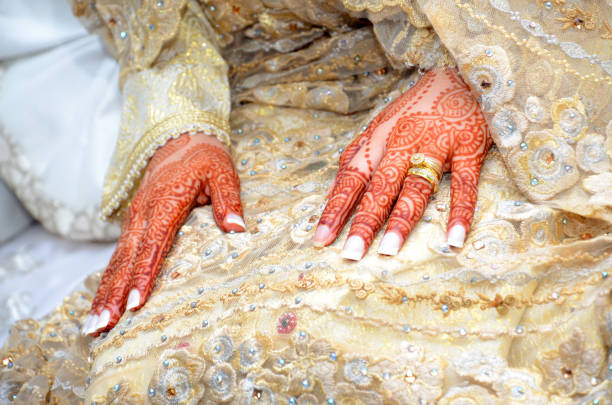
Henna, also known as mehndi, is an ancient art used to adorn the skin. In Morocco, henna is very popular and is an integral part of the culture. For centuries, Moroccan women have used henna to celebrate special occasions, such as weddings, births, and religious festivals.
The history of henna goes back several thousand years. It is believed to have originated in the North African region and the Arabian Peninsula. Henna was used in ancient times for religious rituals and weddings. Over the centuries, henna spread to many other countries, notably India, Asia, and East Africa.
Today, henna is very popular in Morocco and is regarded as a symbol of femininity and beauty. For Moroccan women, henna is also a way to express their cultural identity and their sense of belonging to the community. The complex and colorful designs are often inspired by traditional Moroccan motifs and are considered an art in their own right.
Henna is also an important element of the Moroccan custom of the henna party, where women gather to celebrate special occasions. This tradition is particularly popular at weddings, where guests often have henna applied to their hands and feet in preparation for the ceremony.
The impact of henna on Moroccan culture is undeniable. This ancestral art has endured through the centuries and is still widely practiced today. Henna is a key element of Moroccan tradition and culture and remains a symbol of femininity and beauty for Moroccan women.
In conclusion, henna is a vibrant art and an important symbol of Moroccan culture. It is used to celebrate special occasions, to express cultural identity, and to strengthen bonds among women. Henna is an emblematic element of Moroccan culture and will remain an important part of the tradition for generations to come.