The Islamic art in Morocco is a cultural gem that reflects the country’s rich and diverse heritage. Deeply rooted in faith and history, it embodies the complex aesthetics and spiritual values of Islam. This article takes you into the depths of Moroccan Islamic art, highlighting its distinctive characteristics and its influence on contemporary culture.
Dazzling Architectural Art
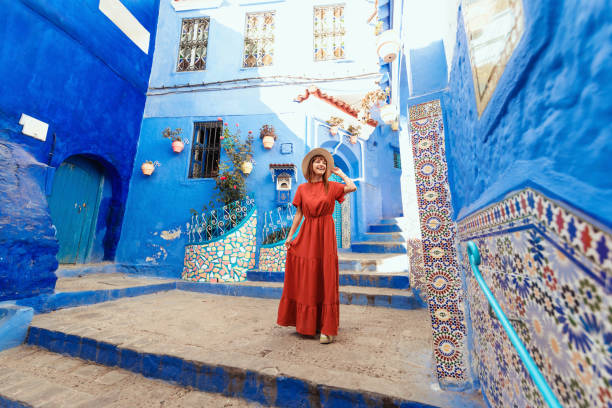
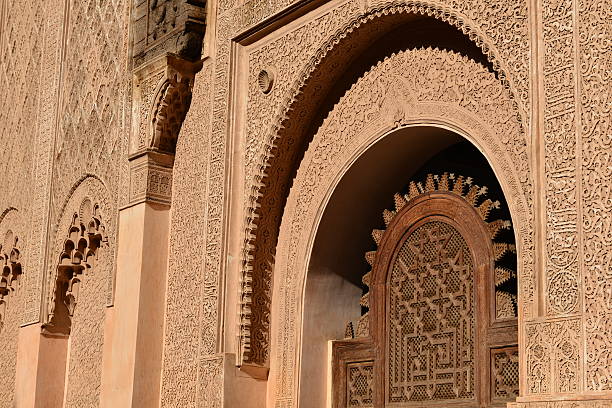
Islamic architecture in Morocco is distinguished by its elaborate geometric forms and calligraphic motifs. Iconic mosques such as the Hassan II Mosque in Casablanca capture the essence of this art with their slender minarets and majestic domes. The zellige tiles, those colored faience tiles assembled into mosaics, adorn walls and floors, creating dazzling visual compositions.
The Eloquence of Calligraphy
Arabic calligraphy is a central element of Moroccan Islamic art. The sacred writings of the Quran come to life through the curves and arabesques of the letters. Moroccan calligraphers master the art of turning words into works of art, creating sumptuously decorated manuscripts and ornamental inscriptions.
The Art of Ceramics
Pottery and ceramics hold a privileged place in Moroccan Islamic art. Moroccan potters shape unique pieces ranging from everyday utensils to sophisticated decorative items. Traditional techniques of shaping, glazing and firing convey the authenticity of this craft across generations.
Metal and Wood Craftsmanship
The metal and wood trades are cornerstones of Moroccan Islamic art. Artisans create complex objects such as pierced lamps and carved doors, revealing a remarkable mastery of geometry and detail. These pieces are living testimonies to the creativity and know-how of Moroccan craftsmen.
Contemporary Influence
Moroccan Islamic art continues to inspire contemporary artists, who skillfully blend traditional elements with modern perspectives. Designers incorporate traditional motifs into interior design, clothing and accessories, thus creating a tangible connection between past and present.
In sum, Islamic art in Morocco is a visual testament to the fusion between religious aesthetics and human creativity. From imposing mosques to the intricate details of ceramics, this art encompasses a rich palette of cultural expressions. Its endurance through the centuries and its contemporary influence make it a precious cultural heritage.