Moroccan traditional attire is much more than clothing; it reflects a rich history and a diverse culture. Each region of Morocco has its own costumes, carrying centuries of traditions and unique artistic expressions.
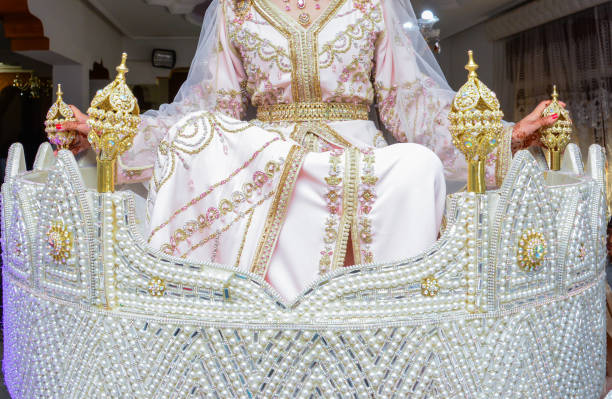
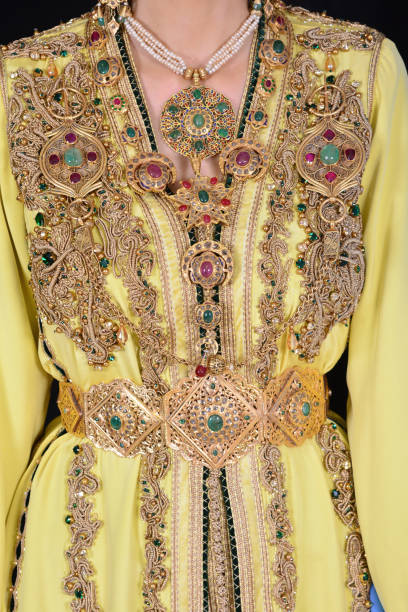
The Caftan, Timeless Elegance: Among Morocco’s most emblematic traditional garments, the caftan stands out for its timeless elegance. This long robe, often richly embroidered and adorned with beads, embodies refinement and is frequently worn on special occasions such as weddings and celebrations.
Djellaba, A Symbol of Everyday Life: The djellaba is a traditional garment that transcends generations. Worn daily, this hooded tunic is designed to offer comfort and practicality. Fabrics and colors vary by region, reflecting the country’s cultural diversity.
The Takchita, A Blend of Tradition and Modernity: The takchita is a fusion of tradition and modernity. Composed of two pieces, this outfit consists of an inner dress and a more elaborate outer dress. The takchita is often worn at important ceremonies, combining the authenticity of ancient customs with a contemporary aesthetic.
The Jabador, Masculine Elegance: Men often wear the jabador, a traditional men’s outfit made up of loose trousers and a matching jacket. The jabador evokes sophistication and elegance, and is worn on both formal and informal occasions.
Traditional Accessories: Moroccan traditional outfits are often complemented by distinctive accessories. Women wear elaborate jewelry, such as necklaces and bracelets, while men wear chechias, traditional hats.
Regional Variety: Each region of Morocco has its own distinct traditional attire, reflecting the history and heritage of the local community. From the Rif to the Atlas and across the Sahara, every region contributes to the colorful mosaic of Moroccan garments.
The Art of Embroidery: One of the most distinctive features of Moroccan traditional attire is the art of embroidery. Complex patterns and elaborate details tell stories, conveying cultural symbols and traditions from generation to generation.
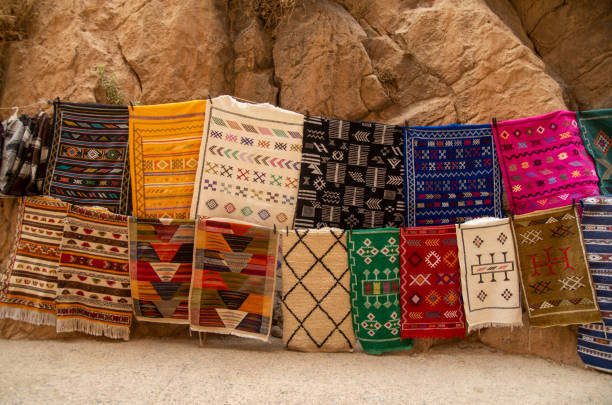
Berber Influence: Berber influence is deeply rooted in many Moroccan traditional garments. Geometric motifs, vivid colors, and local fabrics attest to a continuous connection with the country’s Berber heritage.
The Evolution of Traditional Fashion: Moroccan traditional fashion evolves over time, incorporating contemporary influences while preserving the essence of traditions. Modern fashion designers reinterpret traditional garments, creating a dynamic dialogue between past and present.