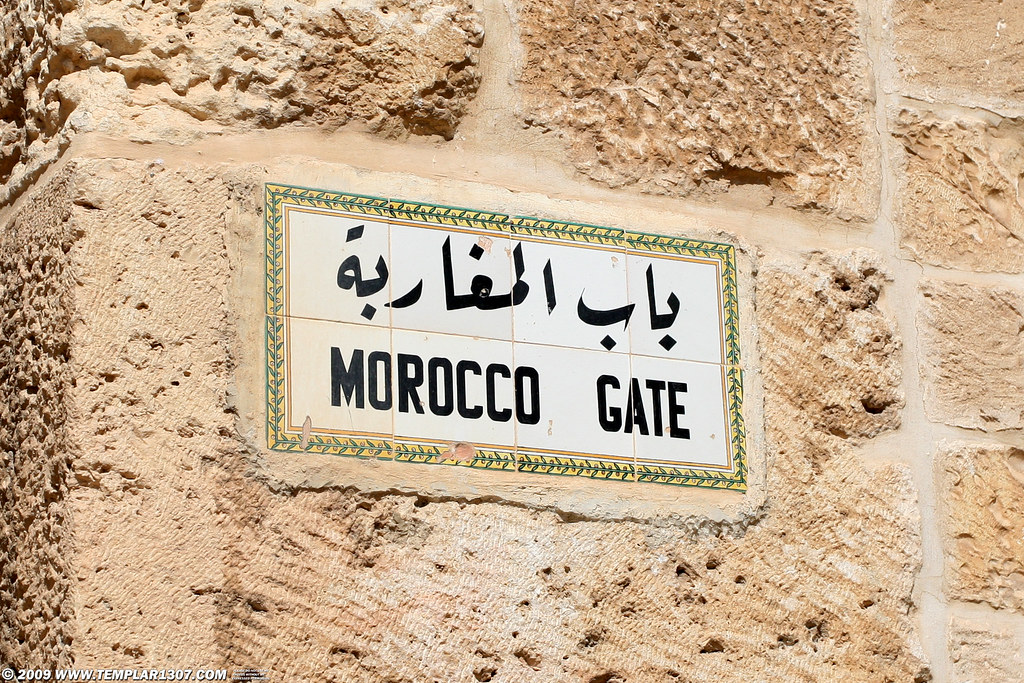
The Moroccan Quarter in Jerusalem is much more than a simple urban enclave; it embodies a fascinating chapter of history between Jerusalem and Morocco. In this article, we explore the origins, evolution, and ongoing influence of this quarter, which serves as a living testament to the close ties between the two regions.
Origins and Heritage
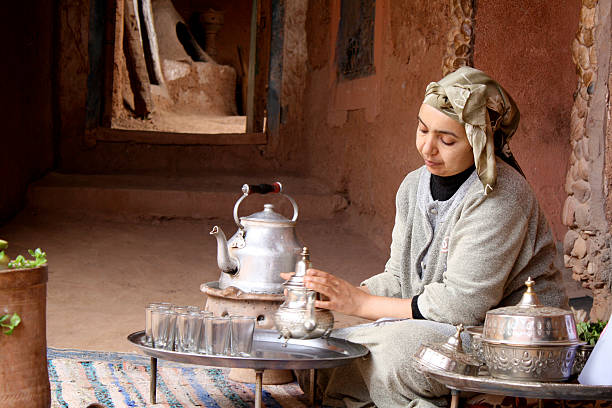
The Moroccan Quarter was established in the heart of Jerusalem’s Old City during the 19th century. Morocco being the key word here, its emergence is linked to the arrival of Moroccan migrants fleeing the political unrest of the time. These settlers brought with them a rich culture, unique culinary traditions, and a deep sense of community, thereby forming a distinctly Moroccan quarter within the holy city.
Architecture and Cultural Identity
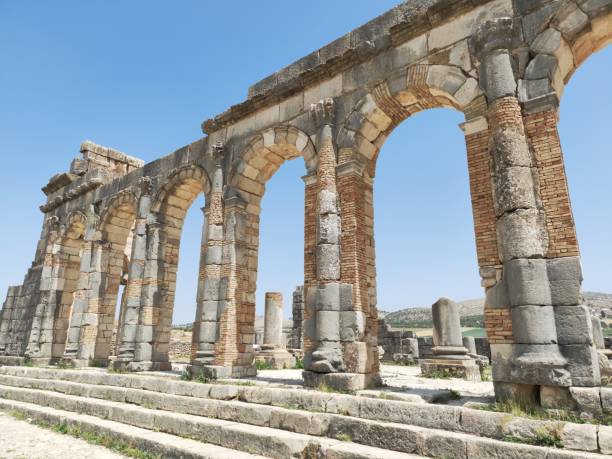
The profile of the Moroccan Quarter is characterized by distinctive architecture, blending traditional Moroccan elements with the very essence of Jerusalem’s Old City. The narrow alleys reveal brightly colored facades, reminiscent of Morocco’s medinas. Preserving this architectural identity is essential to maintain the cultural link with Morocco.
Socio-Economic Evolution
Over the decades, the Moroccan Quarter has evolved, moving from a simple refuge to a prosperous community. Traditional shops, local markets, and artisans have contributed to the neighborhood’s economic growth. Today, it continues to play a vital role in the local economy, while remaining an essential destination for visitors seeking an authentic cultural experience.
Religious Influence
The proximity of the Moroccan Quarter to holy sites in Jerusalem makes it a place of religious significance. Residents and visitors make their way to the Al-Aqsa Mosque, thereby establishing a spiritual link between the quarter and the Holy Land. This religious interconnection reinforces the quarter’s role as a bridge between two worlds.
Current Dynamics
Despite modern challenges, the Moroccan Quarter maintains its vitality. Community initiatives and preservation projects continue to spread the richness of Moroccan heritage. Cultural festivals, religious celebrations, and educational programs help strengthen ties between generations and promote a deeper understanding of the quarter’s history.
The Moroccan Quarter in Jerusalem is not simply a residential neighborhood, but a centerpiece of a shared history between Jerusalem and Morocco. Its evolution, distinctive architecture, economic role, religious influence, and current dynamics make it a place that is both captivating and meaningful. Explore with us this living testament of a historical relationship that transcends borders.