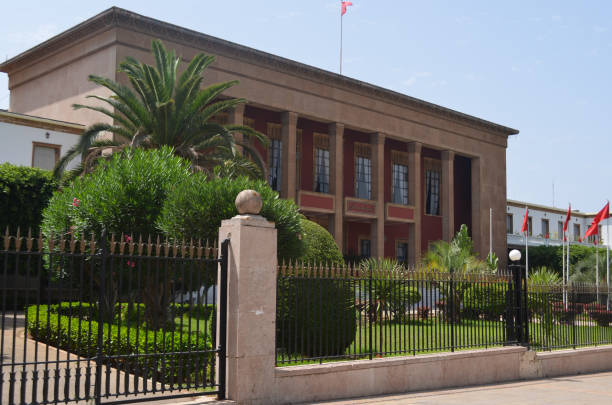
In Morocco, the Parliament plays a central role in the democratic process. Understanding its structure and composition is essential to grasp the country’s political functioning.
- Moroccan Bicameralism
The Moroccan Parliament is bicameral, composed of two distinct chambers: the Chamber of Representatives, elected directly by the people, and the Chamber of Councillors, representing local authorities.
- Chamber of Representatives
The Chamber of Representatives is made up of deputies elected for a five-year term. The number of seats is set at 395, and these deputies are elected by direct universal suffrage. This chamber is at the heart of the legislative process.
- Chamber of Councillors
The Chamber of Councillors consists of 120 members, elected for a six-year term. These members come from different regions of Morocco and represent local authorities, including local elected officials, trade unions, and other stakeholders.
- Legislative Role and Executive Power
The Moroccan Parliament exercises legislative power by participating in the development and adoption of laws. It also plays a role in the budgetary process. Furthermore, the Parliament has the responsibility to oversee and evaluate the actions of the government, thereby contributing to the control of the executive power.
- Political Party System
Political life in Morocco is characterized by the presence of multiple parties. Parliamentary elections see the participation of various parties competing to win seats, thus reinforcing political pluralism in the country.
- Distribution of Powers
The Moroccan Constitution clearly defines the distribution of powers between the Parliament, the government, and the King. This distribution aims to ensure a balance between the executive, legislative, and monarchical powers.
- Citizen Participation
Parliamentary elections in Morocco are a key moment of citizen participation. Citizens are called upon to exercise their right to vote to elect the members of the Chamber of Representatives, thereby contributing to shaping the political direction of the country.
The composition of the Moroccan Parliament reflects a commitment to democracy and pluralistic representation.