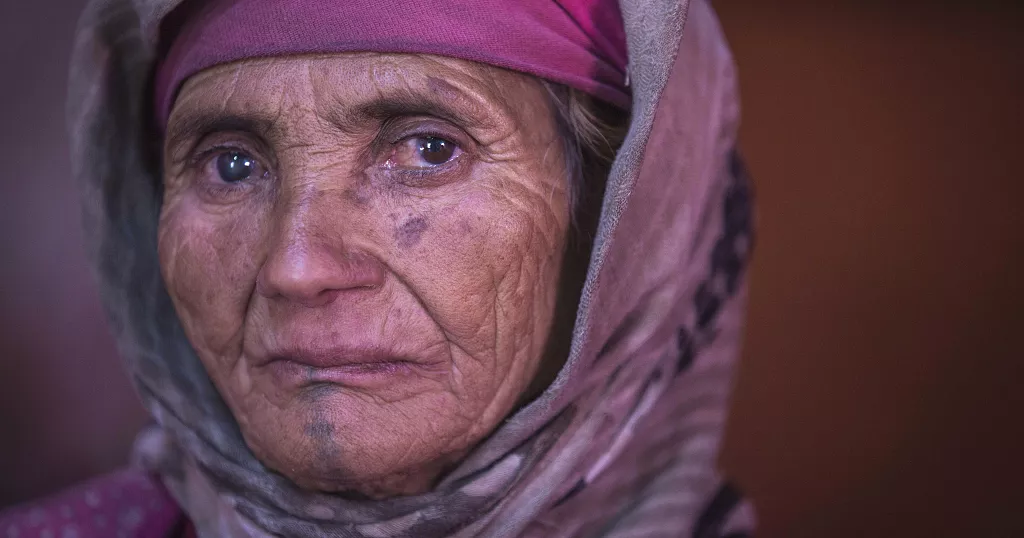
Tattoos are much more than simple drawings on the skin. They are the reflection of a culture, a history and an identity. In this article, we dive into the mesmerizing world of Berber women’s tattoos in Morocco, revealing the deep meanings and ancestral traditions that accompany them.
The Origins of Berber Tattoos :
The Berbers, the indigenous people of North Africa, have an age-old tradition of tattooing. These practices date back to Antiquity and are rooted in tribal customs and spiritual beliefs. Tattoos were once reserved for women, marking important stages of their lives, from puberty to marriage.
Motifs and Their Meanings :
The motifs of Berber tattoos are rich in symbols. Geometric lines, floral patterns and animal figures such as henna or the serpent are frequently used. Each motif has its own meaning, whether it is protection, fertility, prosperity or spirituality. For example, the motif of the Hand of Fatima is believed to protect against evil and bring good luck.
The Tattooing Process :
Traditionally, Berber tattooing is performed using needles and natural pigments. The motifs are drawn by hand, with great precision, by expert female tattooists, often called “mehendja”. The process is ritualized and may be accompanied by songs and prayers to ensure good health and spiritual protection.
Contemporary Evolution :
Although traditional Berber tattoos remain popular in some rural areas, their practice has declined in urban areas due to the growing influence of Western culture and social changes. However, there is a renewed interest in these tattoos as an expression of Berber cultural identity and ethnic pride.
Berber women’s tattoos in Morocco are much more than simple body ornaments. They are the testimony of an age-old tradition, a deep connection to the land and a strong cultural identity. By exploring these tattoos, we delve into a world of symbolism, spirituality and ancestral heritage.