Milk holds an important place in Moroccans’ diets, both for its nutritional benefits and its multiple culinary uses. Let’s explore the various ways it is consumed in this Maghreb country.
Fresh milk:
Fresh milk is a staple of daily food in Morocco. Moroccans appreciate its pure taste and freshness. It is often consumed at breakfast, accompanied by bread or flatbreads, and sometimes enhanced with honey for a sweet touch.
Fermented milk:
Fermented milk, such as cultured milk or yogurt, is also popular in Morocco. These dairy products are valued for their creamy texture and their probiotic benefits for digestive health.
Use in cooking:
Milk is a versatile ingredient widely used in Moroccan cuisine. It is often incorporated into traditional dishes such as couscous, tagines and pastries, adding a creamy richness and a subtle flavor to recipes.
Milk-based drinks:
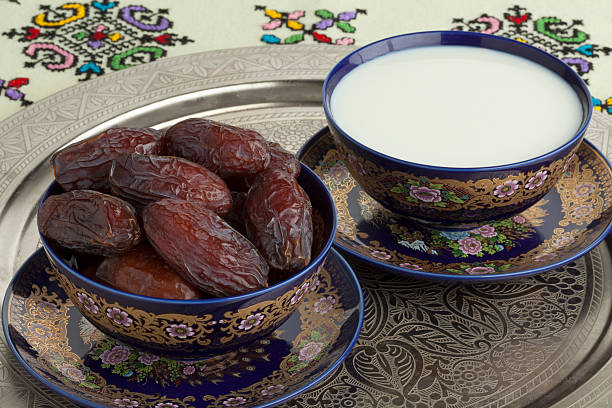
Milk-based drinks are also common in Morocco. “lben”, or diluted fermented milk, is a refreshing beverage much appreciated during hot summer days. “sellou”, an energy drink made from milk, roasted flour and dried fruits, is often consumed during celebrations and religious festivities.
Modern innovations:
In addition to well-established traditions, Moroccans are also open to innovations in the dairy sector. Plant-based milks, such as almond milk and soy milk, are gaining popularity among those seeking alternatives to traditional dairy products.
Ritual consumption:
In some regions of Morocco, milk takes on a ritual importance during celebrations such as weddings and births. It is often offered to guests as a sign of hospitality and good fortune.
In summary, milk is an essential food in Moroccan culinary culture, used in many ways in daily life and celebrations. Its importance goes beyond nutrition to become a symbol of conviviality and tradition.