Casablanca, the largest city in Morocco, is a hub of the country’s economy, culture and history. Founded in 1515 by the Portuguese, the city, then called “Casa Branca”, has evolved into a dynamic metropolis representing a harmonious blend of ancient traditions and modernity. Casablanca is often referred to as Morocco’s “economic capital” due to its industrial and commercial significance.
History of Casablanca
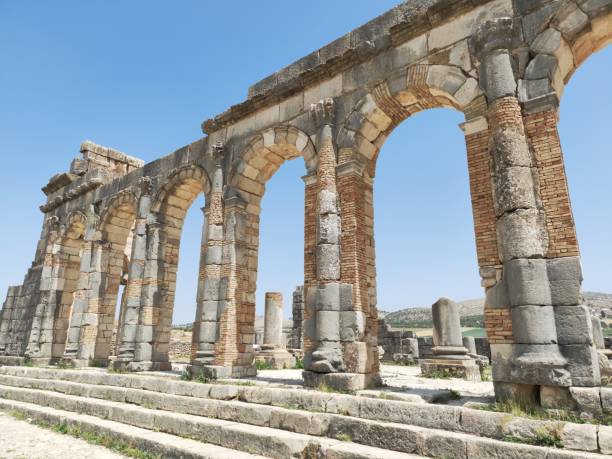
The history of Casablanca dates back to the time of the Phoenicians and the Romans, who established trading posts there. The city gained particular importance under Portuguese rule in the 15th century. After being destroyed by an earthquake in 1755, it was rebuilt by Sultan Sidi Mohammed ben Abdallah. From the 20th century onward, Casablanca experienced rapid expansion under the French protectorate, becoming Morocco’s industrial and commercial heart.
Development and Modernization
The rapid development of Casablanca is marked by increased industrialization and extensive urbanization. The city is home to Morocco’s largest and busiest port, the Port of Casablanca, which plays a crucial role in the country’s economy. With the arrival of multinational companies, modern infrastructures such as skyscrapers and shopping centers have multiplied. The Sidi Maarouf business district and the creation of Casablanca Finance City are notable examples.
Architecture of Casablanca
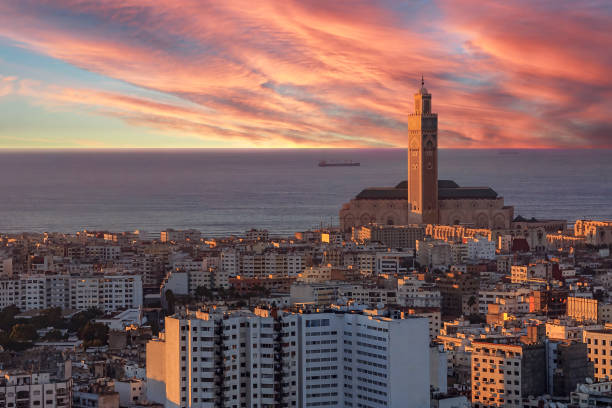
The architecture of Casablanca is a fascinating mix of traditional Moroccan styles and the Art Deco introduced by the French. The Hassan II Mosque, one of the largest mosques in the world, is an architectural masterpiece with its minaret soaring to 210 meters. The Habous and Anfa neighborhoods testify to the architectural diversity, blending Moorish and European influences.
Culture and Urban Life
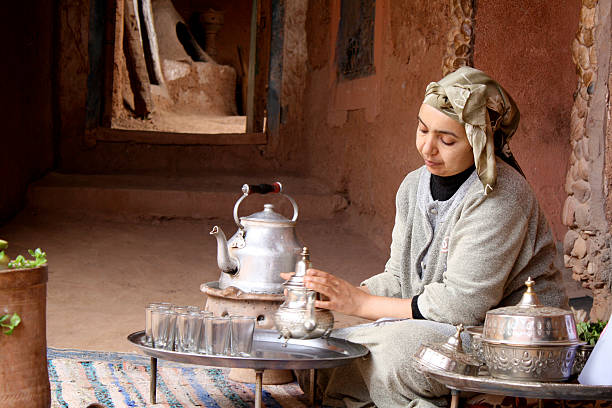
The culture of Casablanca is rich and diverse, reflecting Arab, Berber and French influences. The city is a vibrant cultural center with numerous theaters, cinemas, art galleries and festivals. Corniche Boulevard is a popular meeting place for locals and tourists, offering a stunning view of the Atlantic Ocean. Traditional markets, such as the central market, are must-visit places to discover local crafts and Moroccan cuisine.