Moroccan pottery represents a rich cultural heritage and artisanal know-how that dates back centuries. These unique works of art are the result of a tradition passed down from generation to generation, skillfully blending artistic creativity with ancestral techniques. In this article, we will dive into the fascinating world of Moroccan pottery, exploring its history, manufacturing techniques, and cultural significance.
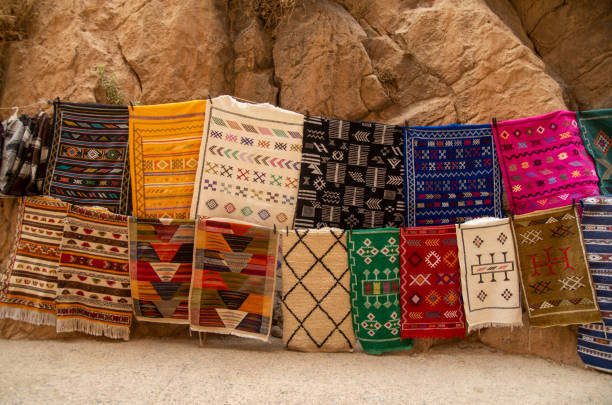
History of Moroccan Pottery: The history of pottery in Morocco dates back to Antiquity, where local artisans developed distinct methods that evolved over time. Moroccan pottery is deeply rooted in Berber culture, reflecting geometric patterns and vibrant colors inspired by Morocco’s diverse landscape.
Manufacturing Techniques: Moroccan potters master the subtle art of hand pottery, using traditional techniques passed down from generation to generation. Moroccan pottery is often shaped by hand using a potter’s wheel, each piece being unique due to the artisanal process. Delicate decorations and complex patterns are then applied using natural glazes, bringing authentic pieces to life.
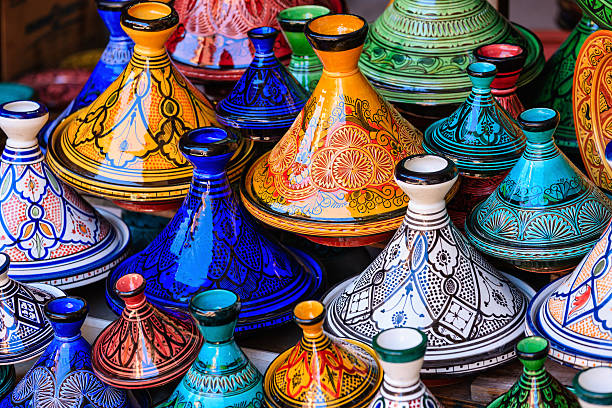
Diversity of Forms and Uses: Moroccan pottery comes in a variety of shapes, ranging from bowls and plates to jars and tiles. Each form serves a specific purpose, whether for cooking, interior decoration, or even traditional rituals. Moroccan pottery is both functional and aesthetic, adding a touch of elegance to every home.
Dazzling Colors: Bright colors and dynamic patterns are the signatures of Moroccan pottery. Warm shades of blue, green, yellow, and red are skillfully blended to create dazzling designs. These vibrant colors capture the spirit of Morocco, transporting those who admire them on an unforgettable visual journey.
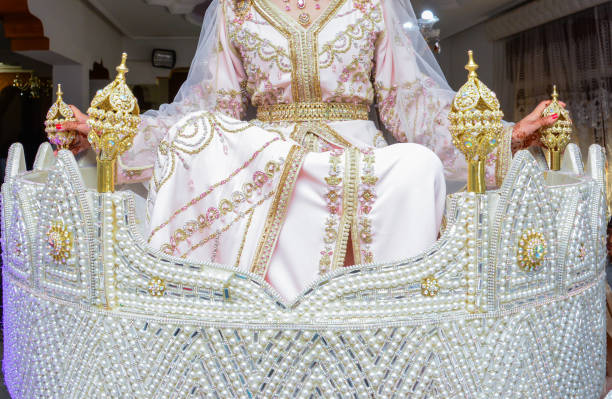
Cultural Importance: Beyond their aesthetic beauty, Moroccan pottery plays a central role in preserving Moroccan culture. They are often used during celebrations, weddings, and other cultural events, symbolizing the richness of the country’s artisanal heritage.
Moroccan pottery transcends its status as craft objects to become works of art laden with history and cultural meaning. Each piece tells a unique story, representing the harmonious fusion between tradition and contemporary creativity.