In Morocco, sheep farming is much more than a simple agricultural activity. It is a centuries-old tradition deeply rooted in the country’s culture and economy. In this article, we will dive into the fascinating world of sheep breeding in Morocco, exploring its historical aspects, its current practices and the opportunities it offers. Discover how this essential activity has evolved over time and how it continues to thrive in a modern context.
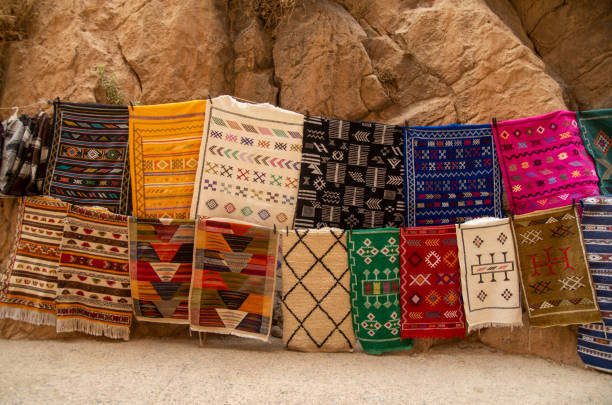
The historical significance of sheep breeding in Morocco: For centuries, sheep farming has played a central role in the lives of Morocco’s rural communities. Sheep provide not only meat, milk and wool, but are also associated with religious and cultural celebrations such as Eid al-Adha, where millions of sheep are sacrificed each year. This practice strengthens social ties and perpetuates ancestral traditions.
Modern sheep farming practices in Morocco: With the evolution of breeding techniques, sheep farming in Morocco has seen significant improvements. Nowadays, many breeders use intensive and semi-intensive farming practices to maximize productivity and profitability. Sheep are fed balanced diets and receive quality veterinary care. At the same time, the use of technologies such as assisted reproduction and GPS tracking contributes to more efficient herd management.
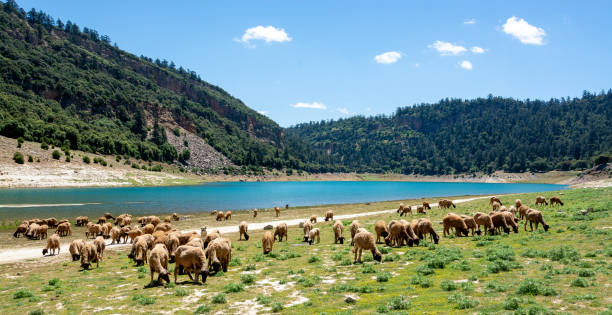
Opportunities and challenges: Sheep farming in Morocco offers many economic and development opportunities. The country has a vast territory suitable for grazing, with abundant pastures and favorable climatic conditions. Furthermore, the export of sheep to neighboring countries represents a lucrative market. However, sheep farming faces challenges such as water availability, disease control, and the need to improve farming infrastructure.