Pottery, an ancestral art, holds a special place in the culture and history of Morocco. Through the ages, Moroccan potters have created unique and beautifully decorated pieces, reflecting the country’s creativity and tradition. In this article, we will explore the history of pottery in Morocco, its techniques, its cultural role, and its continued importance in contemporary society.
The History of Pottery in Morocco
Pottery has deep roots in Moroccan history, dating back to Antiquity. Moroccan potters inherited techniques passed down from generation to generation, crafting utensils for everyday use as well as artistic pieces intended for ornamentation. Morocco’s imperial cities, such as Fes, Marrakech and Safi, became renowned centers of pottery production.
Techniques for Making Pottery
Moroccan potters use a variety of techniques to create their works. The method of hand modeling is common, where clay is shaped into various forms using the potter’s hands. Another popular technique is the potter’s wheel, where the clay is placed on a spinning wheel to create symmetrical pieces. After firing, the ceramics are meticulously hand-decorated with traditional motifs.
Colors and Patterns of Moroccan Pottery
Moroccan pottery is famous for its vivid colors and intricate patterns. Potters use natural pigments to obtain rich shades of blue, green, yellow and red. Geometric, floral and calligraphic motifs are frequently used, reflecting Islamic aesthetics and Moroccan culture.
Pottery in Daily Life
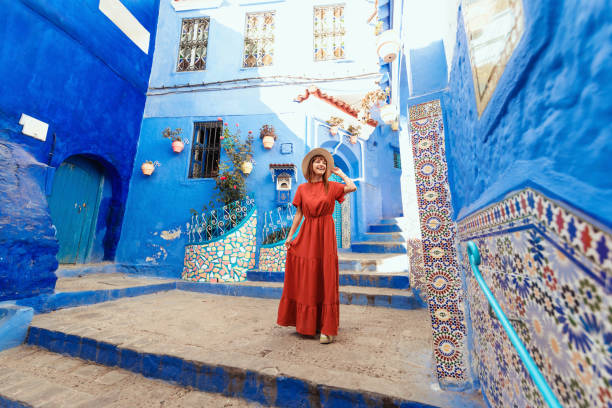
Pottery plays an essential role in the daily life of Moroccans. Earthenware utensils, such as tagines and bowls, are used to prepare and serve traditional Moroccan dishes. Decorative pieces, like zellige tiles, are incorporated into the architecture of homes and buildings, adding an artistic touch to the environment.
The Revival of Moroccan Pottery
Although Moroccan pottery has ancient roots, it continues to evolve and adapt to contemporary trends. Moroccan potters experiment with new techniques, fusing traditional craftsmanship with modern designs. Today, Moroccan pottery is appreciated both locally and internationally, forming an integral part of Morocco’s handicraft industry.
Moroccan Pottery in Commerce
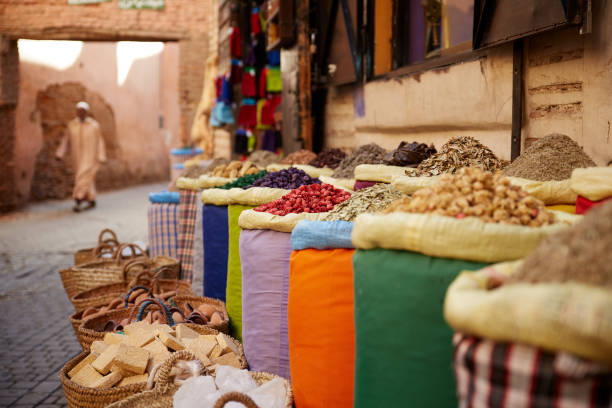
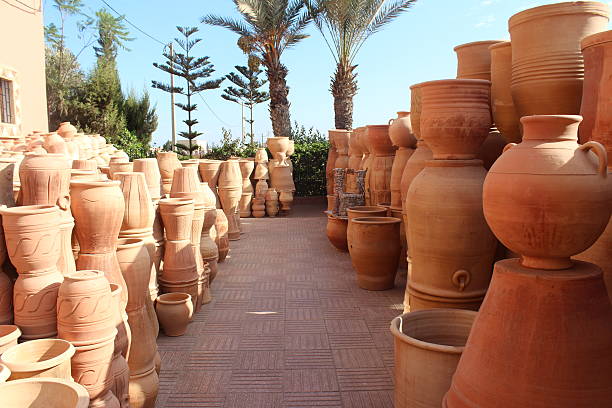
Moroccan pottery has become an important export for the country. Local markets and souks abound with ceramics, from utilitarian pieces to decorative objects. Moreover, growing demand on the international market has opened new opportunities for artisan potters from Morocco, who export their creations around the world.
Conclusion
Pottery in Morocco is much more than a mere craft. It is an ancient art that transcends time, reflecting the culture, history and creativity of the Moroccan people. Moroccan potters continue to perpetuate this millennia-old tradition while adapting it to the demands of the modern world. Moroccan pottery is a precious cultural treasure, a living testimony to the country’s artisanal heritage.