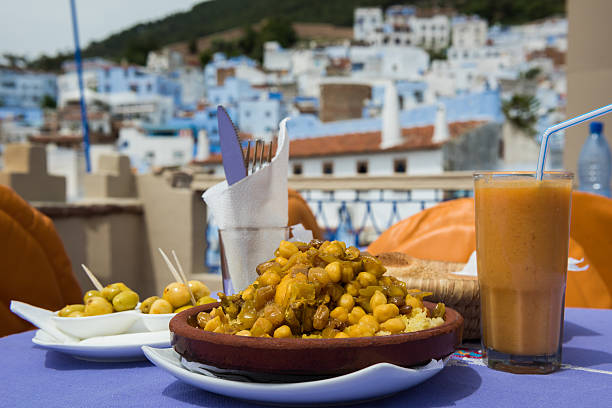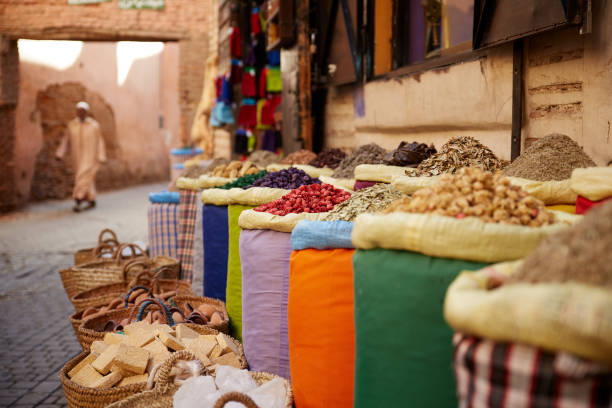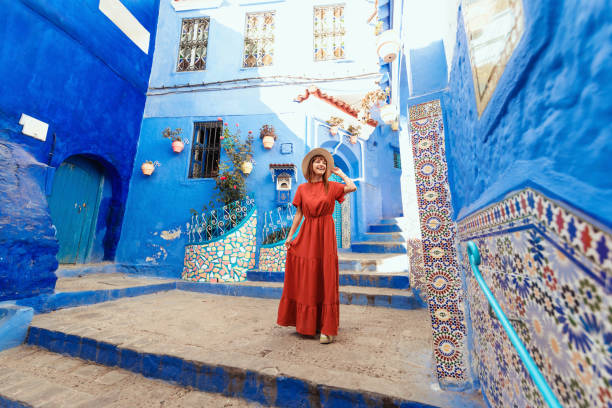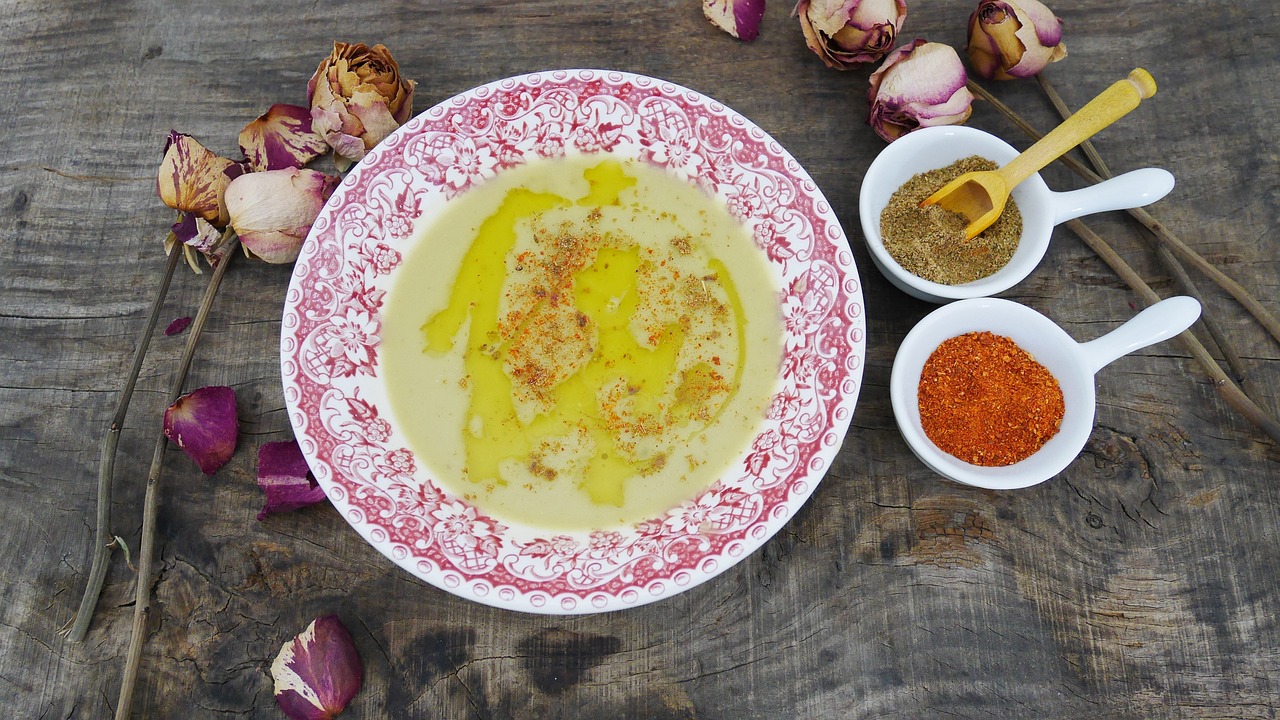
At the heart of Moroccan cuisine lies a comforting and delicious specialty: bissara. This emblematic dish, made from fava beans, embodies the subtle blend of flavors, spices and Moroccan culinary tradition. In this article, we will dive into the world of bissara, exploring its history, its preparation and its cultural role in Morocco.
The History of Bissara
Bissara has ancient origins and is deeply rooted in Moroccan history. Originally, it was considered a staple dish for local populations, due to the abundance of fava beans in the region. Over time, bissara became a symbol of conviviality and sharing, associated with family gatherings and celebrations.
Ingredients and Preparation
The preparation of bissara requires simple ingredients skillfully combined to create an explosion of flavors. The fava beans are cooked until tender, then pureed to obtain a smooth texture. The addition of olive oil, garlic, cumin and other spices brings aromatic complexity to this dish. Bissara is often served with a drizzle of olive oil and paprika as a finishing touch.
A Warm Culinary Experience
Bissara is much more than a simple dish in Morocco; it is a warm culinary experience. It is often prepared during the cooler months of the year, offering a sense of comfort and warmth to guests. Served hot, bissara is accompanied by traditional Moroccan bread, allowing diners to dip and savor every bite.
Cultural and Social Role of Bissara
Bissara holds a special place in Moroccan culture as a dish that brings people together around the table. It is often prepared during the month of Ramadan, marking the breaking of the daily fast. Families gather to share a meal of bissara, strengthening family bonds and creating lasting memories.
Regional Variations and Creativity
Although bissara follows a basic recipe, it can vary from one region to another and even from one household to another. Some regions add extra vegetables such as spinach or zucchini, while others prefer a thicker texture. This diversity reflects the creativity of Moroccan cooks and their ability to customize bissara according to their preferences.
Bissara in Modern Cuisine
Bissara continues to retain its popularity in modern Moroccan cuisine. It is also appreciated by the tourists and visitors who wish to taste the authenticity of Morocco. More and more restaurants offer bissara on their menu, often presenting it with a contemporary twist while preserving its traditional character.
Conclusion
Bissara is much more than a simple Moroccan dish. It is a symphony of flavors, history and culture that brings generations together around a table. Its comforting taste and deep ties to tradition make bissara an essential specialty for anyone wishing to explore Morocco’s rich culinary heritage.