The Berber culture in Morocco is a historical and cultural treasure that has shaped the country’s identity and heritage for millennia. Let’s dive together into this fascinating world and discover its traditions, its craftsmanship, its language and its unique way of life.
Origins and History:
The Berbers, also known as Amazighs, are the indigenous peoples of North Africa. Their history goes back thousands of years, with evidence of their presence found in prehistoric rock engravings, archaeological remains, and oral traditions passed down from generation to generation.
Language and Identity:
The Berber language, called Tamazight, is one of the oldest languages still spoken in the world. It is a fundamental pillar of Berber identity and is today recognized as an official language in Morocco. The preservation and promotion of the Berber language are at the heart of efforts to safeguard the culture and heritage of the Berbers.
Traditions and Festivities:
The Berbers are known for their rich and colorful traditions, celebrated through a multitude of festivals and rituals. Among the most famous festivities is the festival of the Moussem, which celebrates local saints, as well as Berber music and dance festivals that showcase the art and culture of these communities.
Craftsmanship and Heritage:
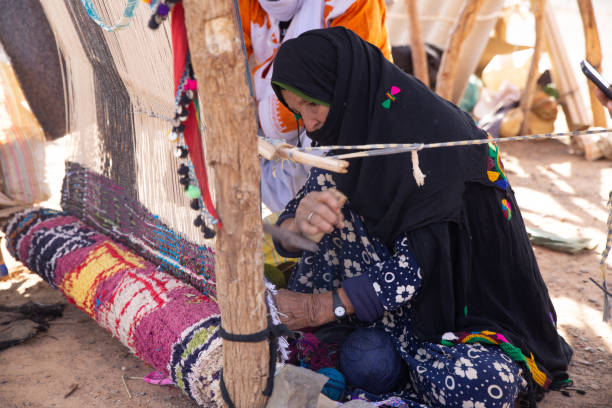
Berber craftsmanship is renowned for its beauty and diversity. From pottery to rugs to embroidery and basketry, Berber artisans preserve ancestral techniques passed down from generation to generation. Each handcrafted piece tells a story and reflects the deep cultural identity of the Berbers.
Way of Life:
The traditional way of life of the Berbers is closely tied to nature and the environment. Life in Berber villages is often characterized by a strong sense of community, an economy based on agriculture and livestock, and a deep respect for the land and natural resources.
The Berber culture in Morocco is a living treasure that continues to enrich Morocco’s cultural and social landscape. By exploring its origins, its language, its traditions, its craftsmanship and its way of life, one discovers the depth and richness of this ancestral culture that deserves to be celebrated and preserved.