Carved wooden ceilings are one of the wonders of Moroccan architecture, reflecting exceptional craftsmanship. Used in palaces, mosques and traditional houses, these ceilings are works of art that combine aesthetics and symbolism.
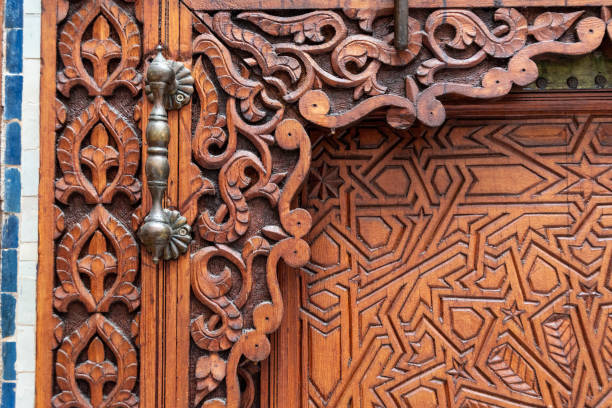
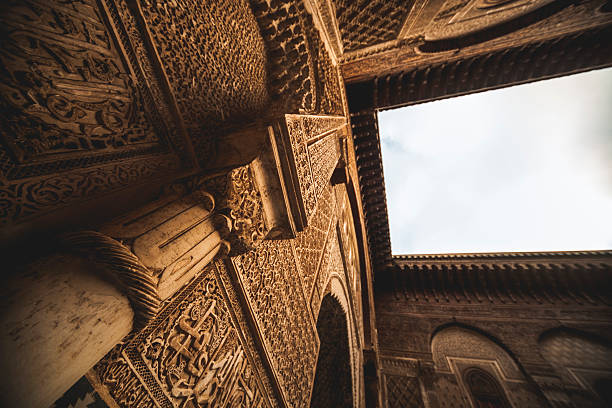
The wood carving technique, called zouak, is an art that dates back several centuries. It consists of carving geometric, floral and calligraphic motifs into the wood, often cedar, then painting them with vivid colors. Artisans use traditional tools to create these complex motifs, which require precision and patience.
Cedar is the wood most commonly used for these carvings because of its durability and resistance to insects. Once the wood is carved, artisans apply natural pigments to paint the motifs. Traditional colors include red, blue, green and gold. Each color and each motif has a particular meaning, often related to spirituality and Islamic culture.
These ceilings are mainly found in royal palaces, medersas (Quranic schools) and mosques. These ceilings add a dimension of splendor and refinement to architecture, creating a majestic and sacred atmosphere. Moroccan traditional houses, called riads, are also often adorned with these ceilings, bringing a touch of elegance and nobility.
Today, artisans continue to perpetuate this tradition, while integrating modern elements into their creations. Carved wooden ceilings are increasingly popular in contemporary interior design projects, appreciated for their timeless beauty and their artistic complexity.
Les carved wooden ceilings are a true celebration of Moroccan craftsmanship. Each ceiling is a work of art, bearing witness to the skill and creativity of the artisans.