Morocco is a country of varied landscapes, ranging from majestic mountains to vast desert expanses. This geographic diversity offers exceptional natural wealth and attracts many visitors each year.
Mountain Ranges
Morocco is crossed by two main mountain ranges: the Atlas and the Rif. The Atlas is divided into three sections: the Middle Atlas, the High Atlas and the Anti-Atlas. These mountains offer spectacular landscapes and shelter many endemic species.
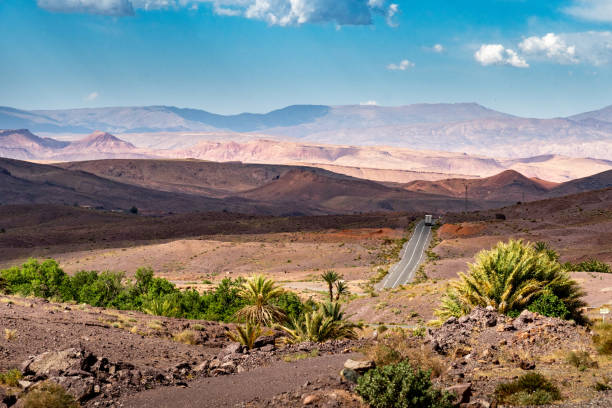
The Middle Atlas is known for its cedar forests and its lakes. The High Atlas is famous for its snow-capped peaks, including the Jbel Toubkal, the highest peak in North Africa. The Anti-Atlas, drier, features impressive rock formations.
Deserts and Oases
The Moroccan Sahara covers a large part of the country’s southeast. This desert is characterized by its sand dunes, stony plains, and oases. The dunes of Merzouga and Zagora are among the most famous and attract thousands of tourists.
The oases play a crucial role in this arid environment. They are havens of greenery where water is available thanks to underground springs. The oases of Tafilalet and Draa are particularly remarkable.
Plains and Plateaus
Morocco also has fertile plains, such as the plain of Haouz and the plain of Saïss. These regions are important agricultural areas where cereals, fruits, and vegetables are cultivated. The plateaus of the Oriental and Chaouia are also vital agricultural zones.
Atlantic and Mediterranean Coasts
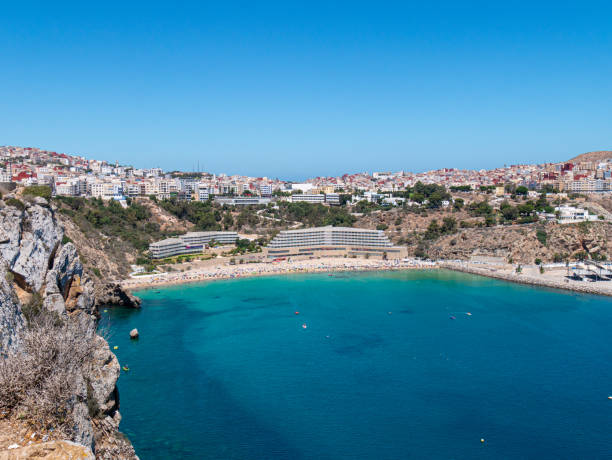
Morocco benefits from long coastlines on the Atlantic Ocean and the Mediterranean Sea. The Atlantic coasts are known for their beautiful beaches and their seaside resorts such as Agadir and Essaouira. The Mediterranean coasts, with cities like Tangier and Al Hoceima, offer picturesque coastal landscapes and crystal-clear waters.
Fauna and Flora
Morocco’s biodiversity is impressive. The mountains shelter species such as the Barbary macaque, the golden eagle, and various endemic plants. The deserts and oases are habitats for species adapted to arid conditions, like fennecs and dromedaries.
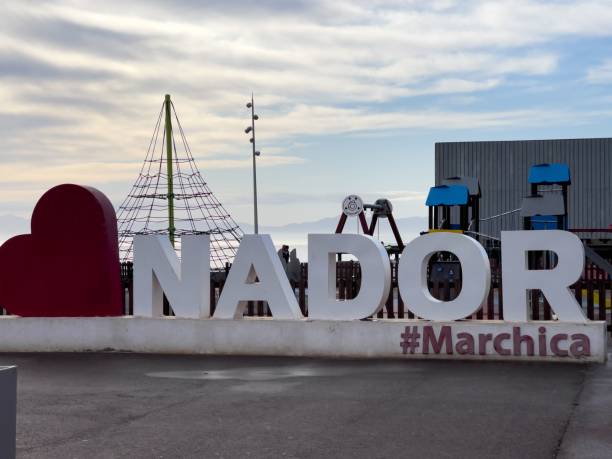
The Moroccan coastline is also rich in marine life. Coastal wetlands, such as the Nador lagoon, are important sites for migratory birds. The cedar forests of the Middle Atlas are another crucial ecosystem.
Tourism and Outdoor Activities
The geographic diversity of Morocco makes it a prized destination for outdoor activities. Hiking in the Atlas, 4×4 expeditions in the desert, and water sports on the Atlantic coasts are among the most popular activities.
National parks, such as Toubkal and Souss-Massa, offer unique opportunities to observe wildlife and flora in their natural habitat. Trekking in the gorges of Dadès and Todra is an unforgettable experience for nature lovers.