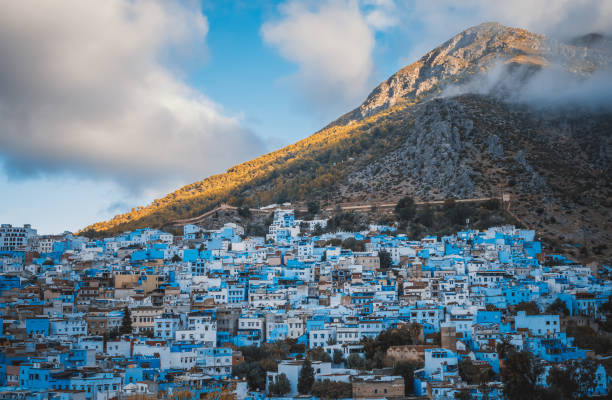
Chefchaouen, nestled in the Rif Mountains, is a city of irresistible charm, famous for its blue alleys and mountainous landscapes. Founded in 1471, Chefchaouen is a city marked by history and spirituality, which is reflected in its architecture and traditions.
The blue color that covers the houses of the medina is one of Chefchaouen’s most remarkable features. This tradition dates back to the 1930s, when Jewish refugees introduced this color, symbolizing the sky and paradise, to repel mosquitoes and honor God. Today, this blue hue gives the city a serene and mystical atmosphere, attracting visitors from around the world.
The architecture of Chefchaouen is a blend of Andalusian, Berber, and Moroccan influences. The white houses with blue doors, red-tiled roofs, and flowered patios are characteristic elements of the city. The kasbah of Chefchaouen, located in the heart of the medina, is a perfect example of this architectural fusion. It now houses a museum that retraces the history of the region and offers a panoramic view of the city.
The landscapes around Chefchaouen are just as impressive as the city itself. The Rif Mountains offer hiking trails for all levels, with spectacular views of the valley and the Mediterranean Sea. The Akchour springs are another natural gem nearby, with waterfalls and natural pools where it is pleasant to relax.
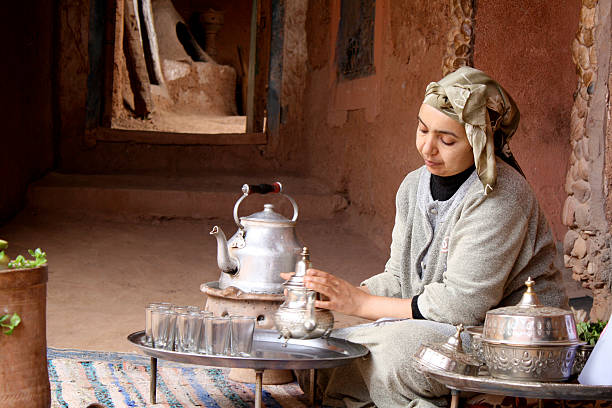
The customs and traditions of Chefchaouen are deeply rooted in the Berber and Andalusian culture. The city is known for its craftsmanship, notably the production of blankets, rugs, and traditional clothing. The inhabitants are also proud of their culinary traditions, with dishes such as goat tajine, which is a local specialty.