Skirt
The skirt (from the Arabic joubba for long wool garment) is a unisex garment fastened at the hips or waist to cover all or part of the lower body without division for each leg and without, in principle, the lower edges being closed.
Depending on the culture, it is worn preferentially by men (kilt, sapeta, sarong, etc.) or by women (sari, etc.).
Since 1672, the term in Europe has referred to a garment worn almost exclusively by women.
During the 19th century, the cut of women’s clothing changed more rapidly than in previous centuries. At first it was rather narrow, then it gained width and reached a spectacular size in the 1860s with the crinoline skirt.
The straight skirt, the most classic, is worn alone or with a jacket to form a suit. It is generally lined and slit at the back so as not to impede movement.
The flared skirt, also called the umbrella or sun skirt, cut on the bias, has a variable width and can even form a full circle. It is a shape that is widespread in many cultures. It slims the silhouette and flares over the legs.
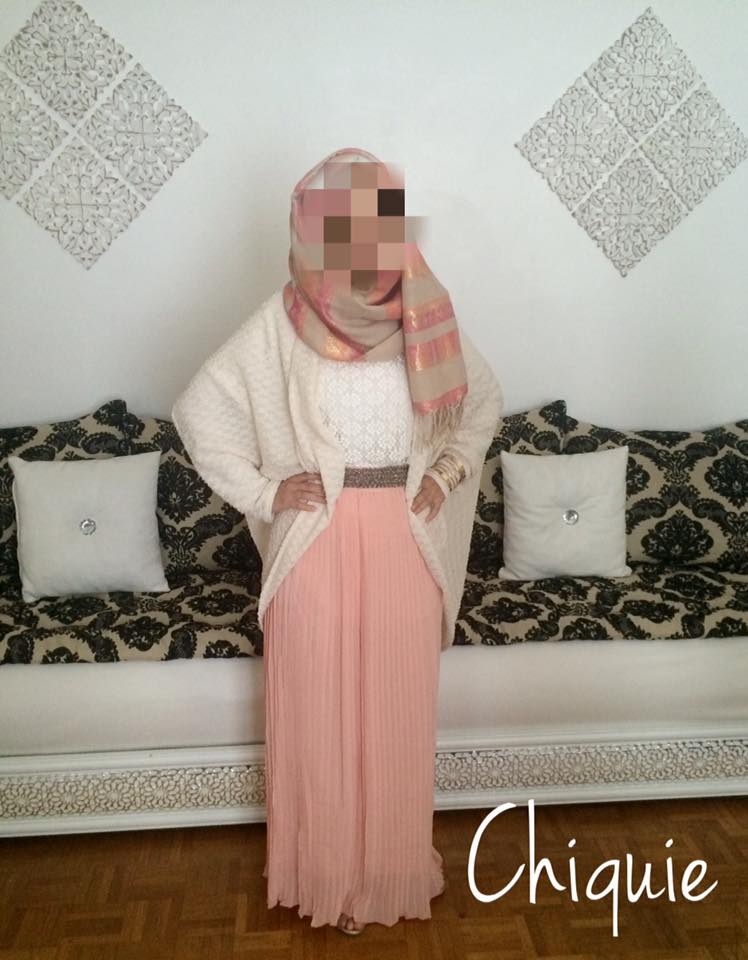
The pleated skirt is straight or flared and has pleats; it is often associated with schoolgirl uniforms, preferably navy blue. Nowadays, synthetic fabrics allow the pleats to remain permanent.
The wrap skirt is made of a band of fabric that fastens by crossing in front or at the side.
Indeed, it is made in different ways. This allows women to adopt different styles.


