The djellaba garment of dignitaries
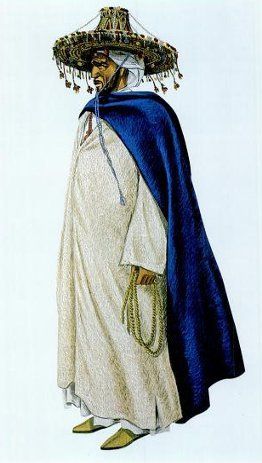
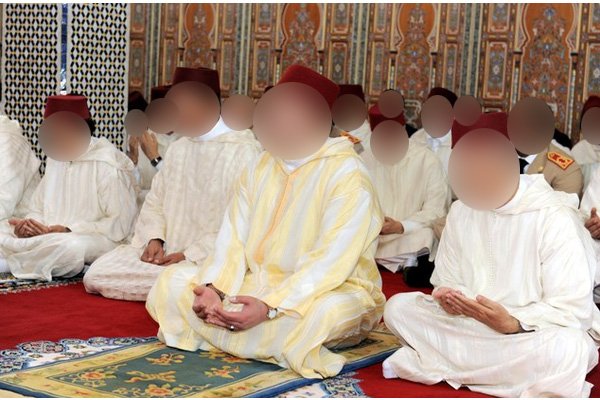
Although wearing the djellaba has become widespread, originally it was indeed the garment of dignitaries. Class, elegance, bearing, it subtly clothed the highest-ranked people. In Morocco, the Bzou djellaba is highly prized by high dignitaries. The complexity of its manufacture, the hand-weaving, the finishes, are all factors influencing the djellaba’s price. In fact many compete to get it. But the djellaba “bzouia” is not within everyone’s reach!
Source: https://www.mapnews.ma/
The Moroccan djellaba
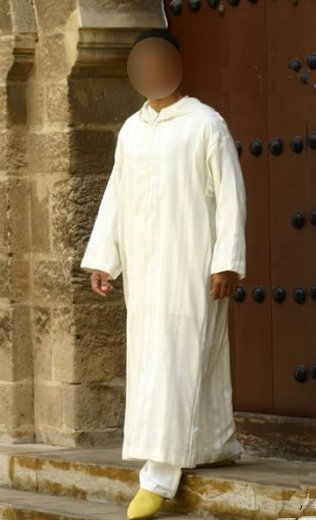
If there is one garment that has not gathered any dust in Morocco, it is the djellaba! Drawing its origin from the Arabic language and more precisely from the word “jilbab”, the djellaba refers to a long, loose robe adorned with a hood that is worn in the Maghreb. If originally the djellaba was simple, in white or black, it has evolved over time. Nowadays trimmings, sfifas, and embroidery have adorned the djellaba, making this garment as beautiful as it is graceful. From the North to the South of Morocco, the djellaba is worn differently although they are similar at heart.
https://caftan-haute-couture.blogspot.com/
The gandoura and the sarouel
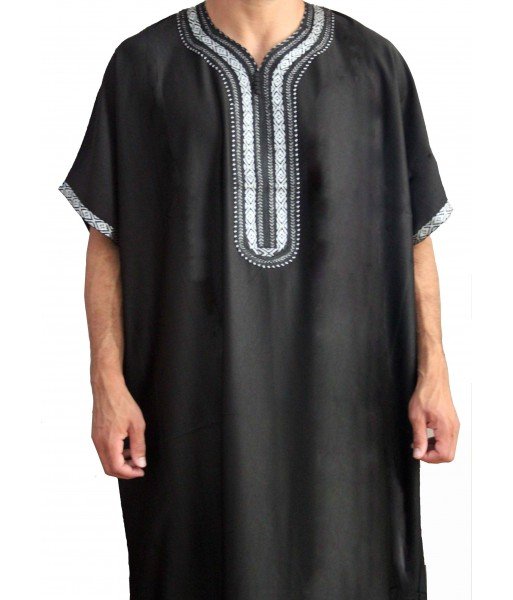
The djellaba is worn like a coat; Moroccans have a custom of wrapping themselves in it over their everyday clothes. The gandoura and the sarouel are the customary attire underneath. They wear them under their famous djellaba. The gandoura is a tunic, generally short-sleeved, reaching the ankles and covering the shoulders, which Moroccans wear at home to be comfortable, but also outside. In summer, it is worn alone, without a djellaba. The sarouel, as its name indicates, is a pair of trousers, most often wide, with or without a crotch panel. The gandoura, like the sarouel, is made of cotton or linen, solid-colored, bicolored or in palettes as varied as they come. As long as they please and reflect the art of the Sharifian Kingdom.
Source: https://www.boutique-caftan.net/
Although Morocco is not completely spared by this destructive globalization, this standardization of fashion that tends to erase our origins, it resists this Western invasion as best it can. Whether for a ceremony or worn daily, you will always come across a Moroccan adorned in his finest djellaba.
Source: https://www.custom-qamis.com/fr/blog//le-costume-traditionnel-marocain