Olive cultivation in Morocco is rooted in the country’s tradition and heritage. For centuries, olives have been grown for their oil and fruit, which are widely used in Moroccan cuisine.
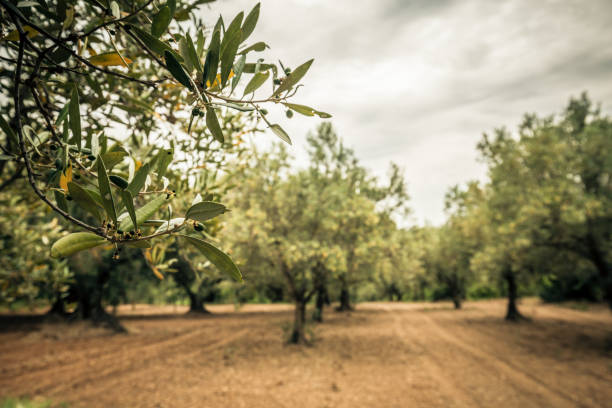
The olive tree is a hardy and resilient tree that can survive extreme climatic conditions. In Morocco, it is grown in coastal regions, in the mountains and in the interior plains. Moroccan olives are generally small and dark green in color, but there are also larger and darker varieties.
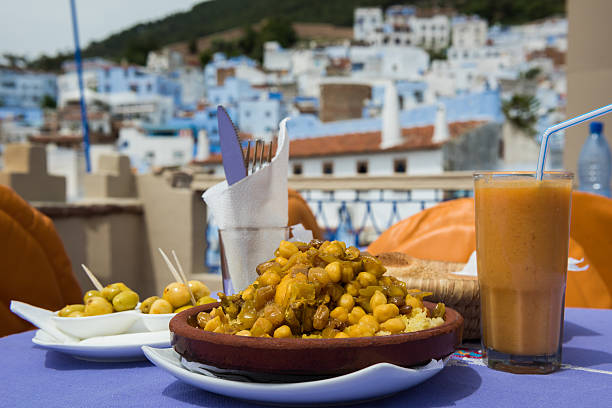
Olive oil is a staple ingredient in Moroccan cuisine, adding a delicate flavor and nutritional richness to dishes. It is used for frying, sautéing and marinating foods, as well as for preparing sauces and dressings. Olives are also eaten as they are, as appetizers, or served with bread and cheese.
Olive oil production is an important industry in Morocco, with hundreds of mills and cooperatives that produce and export high-quality olive oil. The industry also employs thousands of people, making it an important source of income for many Moroccan families.
Furthermore, olive cultivation is an important aspect of rural life in Morocco. Olives are often grown on small family farms, where family members work together to harvest and process the olives. This tradition endures from generation to generation and strengthens the social bonds and traditional values of the country.
In conclusion, olive cultivation in Morocco is an important part of daily life and of the country’s cultural identity. It also provides jobs and income for Moroccan families, making it a vital industry for the country’s economy.