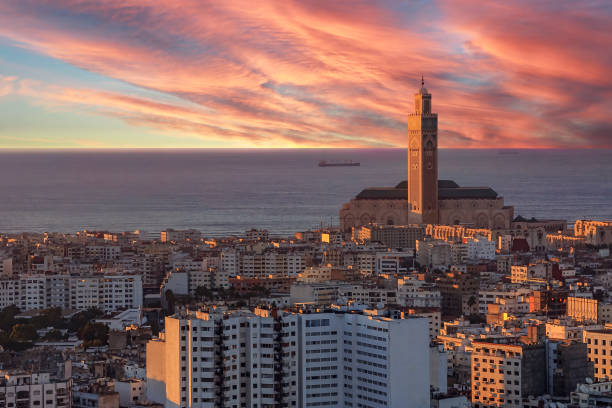
Morocco is a North African country with a developing economy. The economic culture in Morocco is influenced by the country’s history and geography, as well as by the economic policies implemented by the government.
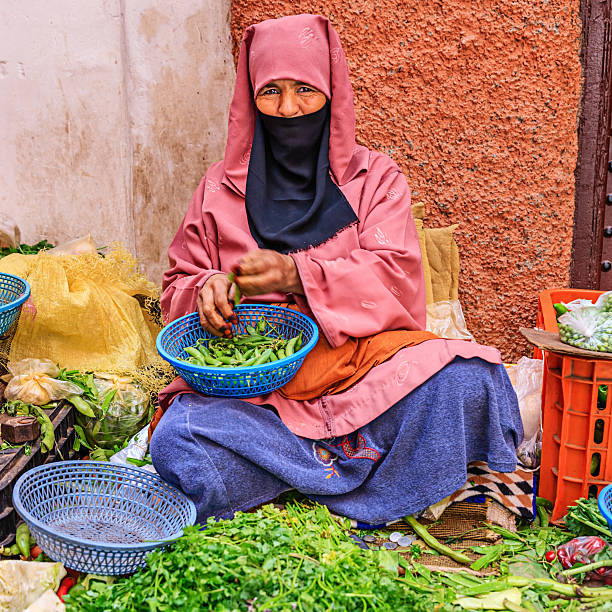
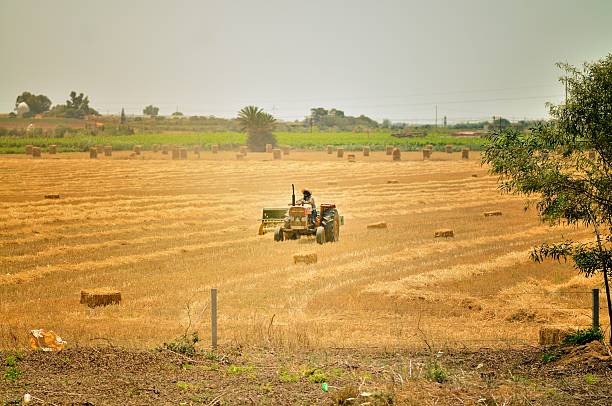
In Morocco, agriculture is an important economic sector that employs many workers. Tourism is also a growing sector that contributes significantly to the country’s economy. Morocco has also become an investment hub for foreign companies, with tax advantages and competitive labor costs.
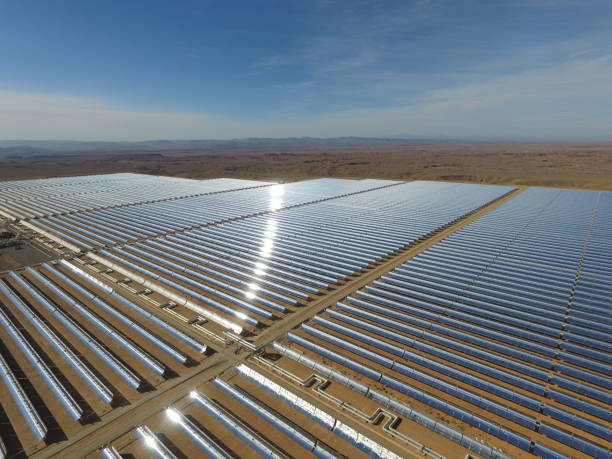
However, despite economic growth, Morocco faces challenges such as high unemployment and economic inequalities. The government has implemented economic policies to address these challenges, notably by promoting entrepreneurship and investment in emerging industries.
By comparison, the economic culture in Morocco differs from that of other countries. For example, the economic culture in France is influenced by strong state intervention in the economy and a tradition of social protection. The United States, for its part, has an economic culture based on a free market and limited state intervention.
In other African countries, such as Nigeria or South Africa, economic culture is also influenced by factors such as colonization and natural resources. Nigeria, for example, has a developing economy based on the oil industry, whereas South Africa has a more developed economy with a strong presence of large corporations.
In short, the economic culture in Morocco is constantly evolving, influenced by a variety of factors. Although the economic challenges facing the country are significant, the government has implemented economic policies to stimulate growth and investment. Compared with other countries, Morocco’s economic culture is unique because of its history and geography, but there are similarities and differences with other developing economies.