The Daraa, an iconic garment of Morocco, is a long, loose robe worn mainly by men in certain regions of the country. This traditional outfit, rich in history and symbolism, is an essential element of Moroccan cultural identity.
Origin of the Daraa
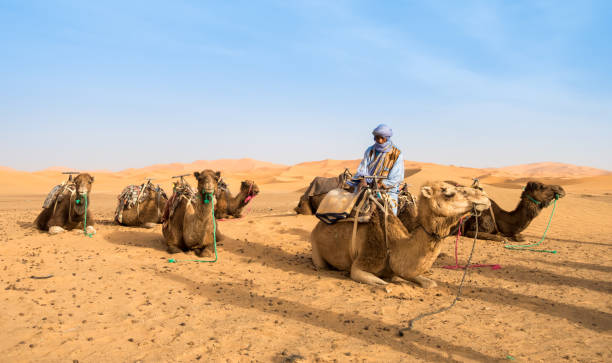
The Daraa has its origins in Morocco’s ancient periods, where it was worn by men to protect themselves against the harshness of the country’s desert and mountainous climate. Made from light, breathable fabrics, the Daraa provided optimal comfort while preserving Moroccan clothing tradition and heritage.
Characteristics of the Daraa
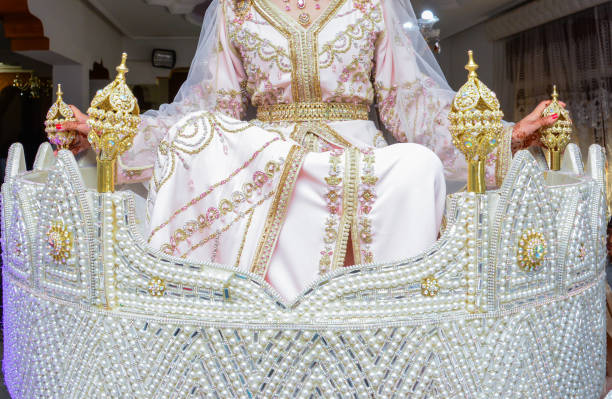
The Daraa takes the form of a long robe that reaches the ankles, with long and loose sleeves. Traditionally, the main color is white, but Daraas can also be found in a variety of bright and elegant colors. The V-neck and delicate embroidery add a touch of elegance to this traditional garment.
Cultural Significance of the Daraa
Beyond its aesthetic aspect, the Daraa holds a deep cultural significance in Morocco. It symbolizes hospitality, modesty, and respect for ancestral customs. Furthermore, it represents unity and national pride, bringing Moroccans together around their shared cultural heritage.
Wearing the Daraa Today
Although the Daraa is traditionally worn in rural regions of Morocco, it has now become an integral part of festivities and celebrations throughout the country. Weddings, religious holidays, and cultural events provide the occasion for Moroccan men to don this elegant and history-laden garment.
The Daraa and the Revival of Moroccan Fashion
Over the past decades, the Daraa has also experienced a renaissance in the Moroccan fashion industry. Talented designers and stylists have incorporated elements of the Daraa into modern collections, thus giving new momentum to this traditional garment. This has helped promote Moroccan craftsmanship internationally and showcase the country’s culture.
Conclusion
The Daraa is much more than a simple garment in Morocco; it is a symbol of the country’s cultural identity and heritage. Worn with pride by Moroccan men, this traditional robe evokes the rich past and unity of the Moroccan people.