The Haïk is an emblematic traditional garment worn by Moroccan women for generations. This elegant, enveloping piece of fabric is a symbol of Moroccan culture and heritage. In this article, we will explore in detail the Haïk, its history, its use, its characteristics, and its importance in Moroccan society.
The History of the Haïk
The Haïk has a rich and ancient history. It originates from northern Morocco, more precisely from the regions of Tangier and Tétouan. The Haïk is believed to date back to the 14th century, and it has been worn by Berber and Arab women of these regions for centuries. This traditional garment became a symbol of cultural identity and pride for Moroccan women.
The Composition of the Haïk
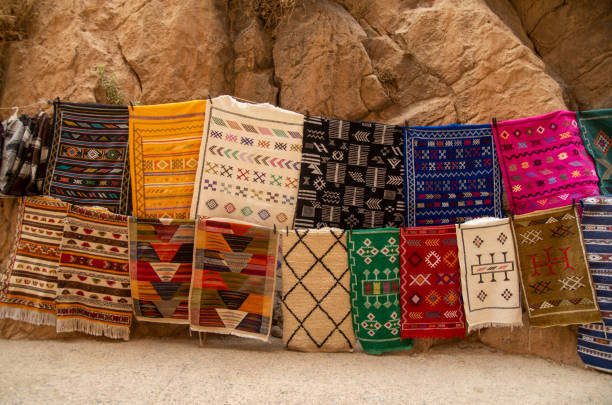
The Haïk is generally made of lightweight cotton or silk, which makes it comfortable to wear, especially in Morocco’s warm climate. It is often handwoven, with patterns and embroideries that vary by region. Its size is usually large enough to wrap around the woman’s entire body and confer a unique elegance.
The Use of the Haïk
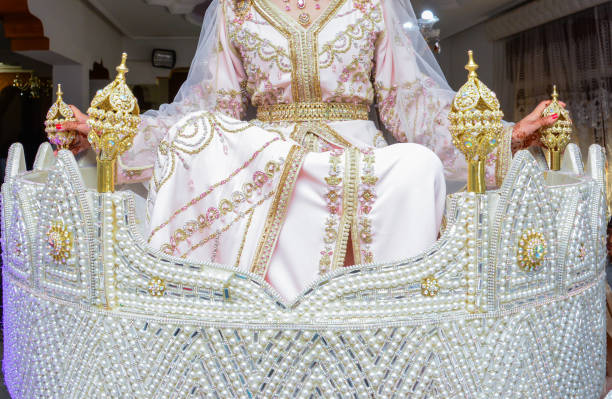
The Haïk is traditionally worn on major occasions and special celebrations. It is also worn at weddings, religious festivals, and important family events. Moroccan women attach great importance to this garment and consider it a ceremonial outfit that reflects their cultural identity and refinement.
The Different Styles of the Haïk
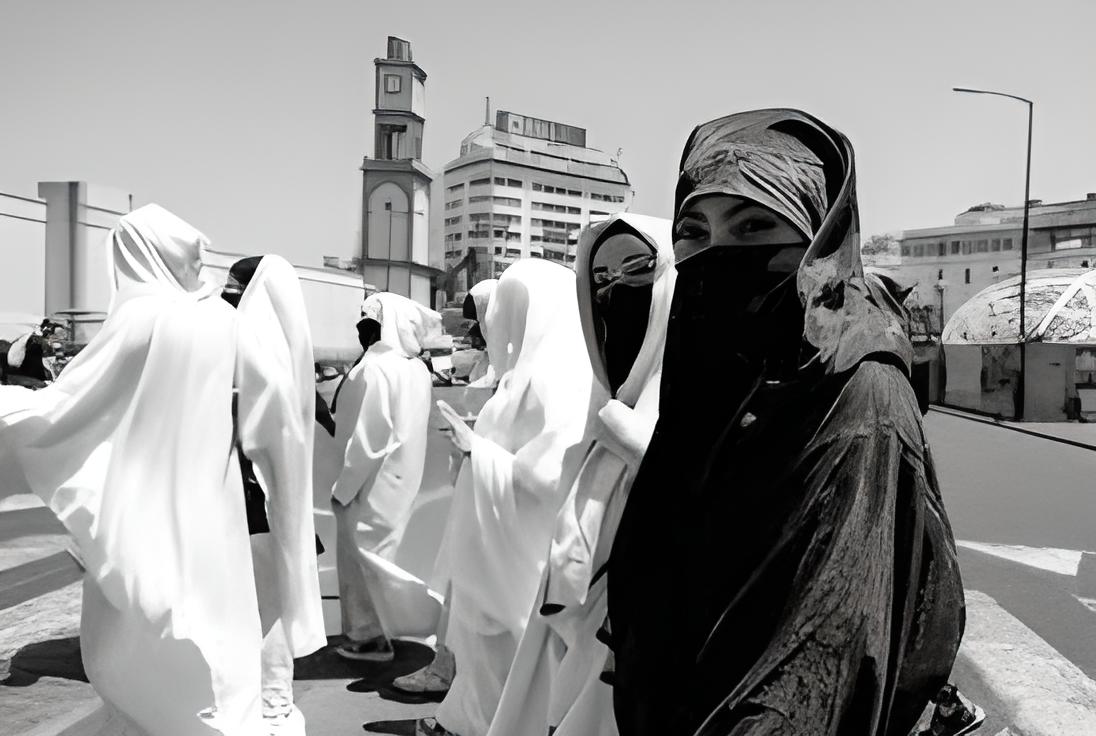
There are different styles of Haïk depending on the regions of Morocco. In some areas, the Haïk is worn loosely, falling over the shoulders, while in others it is wrapped tightly around the body to highlight the woman’s silhouette. The colors and patterns of the Haïk also vary by region, offering great diversity and aesthetic richness.
The Social and Cultural Significance of the Haïk
The Haïk is much more than a simple garment in Morocco. It is deeply rooted in the country’s culture and customs. For Moroccan women, the Haïk is synonymous with respect for tradition, dignity, and modesty. It is worn with pride and considered an expression of cultural identity and feminine elegance.
The Evolution of the Haïk in Modern Society
Although the Haïk remains an important symbol of Moroccan culture, its use has evolved over time. In modern society, it is increasingly worn on special occasions and holidays, while women generally opt for more contemporary clothing in everyday life. Despite this, the Haïk continues to hold a special significance for Moroccan women, who see it as a precious heritage to pass on to future generations.
Conclusion
The Haïk is an iconic traditional garment that embodies the timeless elegance of Moroccan women. Its history, composition, varied styles, and cultural significance make it an essential symbol of Moroccan identity. While it has evolved in modern society, the Haïk continues to play an important role at special events, testifying to the pride and beauty of Moroccan culture.