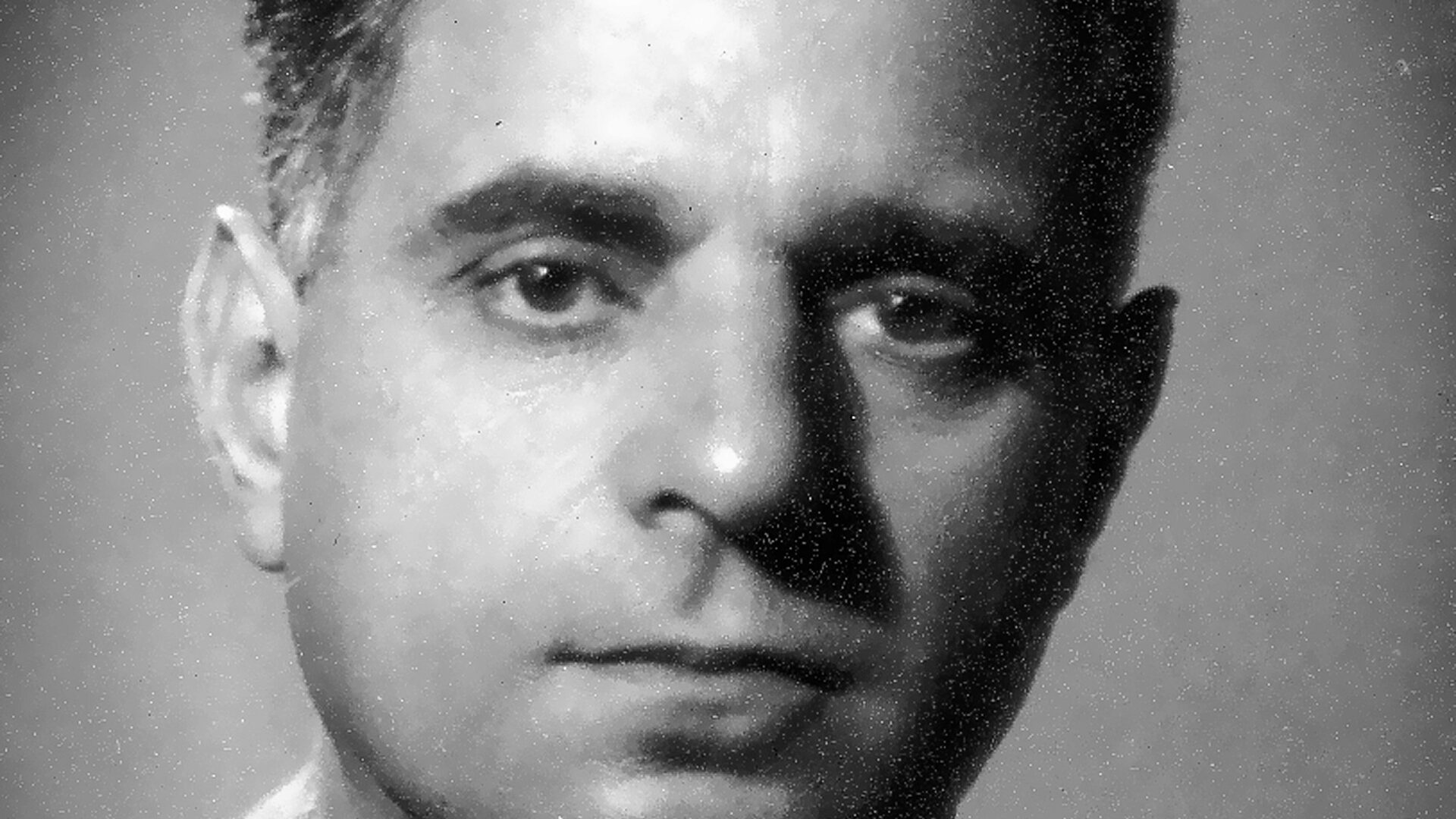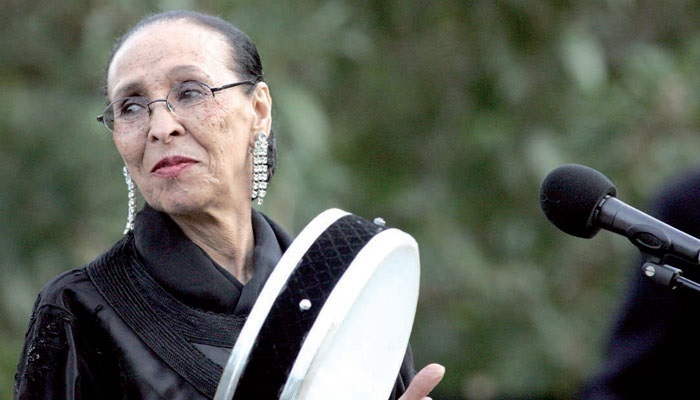
Haja El Hamdaouia, born in 1928 in the Derb Sultan neighborhood of Casablanca and died on April 5, 2021 in Rabat, is an emblematic figure of Moroccan chaabi music. She made history as the first to have modernized the genre. In this article, we will explore the exceptional life and career of this legend of Moroccan music.
1. The Beginnings of Haja El Hamdaouia
Haja El Hamdaouia, whose real name is Fatna Bent Al-Hajj Ibrahim, began her singing career in the 1940s. She quickly drew public attention thanks to her powerful voice and stage charisma.
2. The Modernization of Chaabi
Haja El Hamdaouia is known for having modernized the chaabi genre, introducing contemporary elements into her music while preserving traditional roots. This fusion helped popularize chaabi among a broader audience.
3. The Musical Repertoire
Haja El Hamdaouia performed a wide range of songs, addressing themes such as love, nostalgia, and daily life in Morocco. Her poetic lyrics and passion touched the hearts of many generations.
4. Cultural Impact
Haja El Hamdaouia played a crucial role in the preservation and promotion of the Moroccan culture. Her music was a source of inspiration for many artists, thereby contributing to the richness and diversity of Morocco’s musical scene.
5. International Recognition
Haja El Hamdaouia’s fame crossed Morocco’s borders. She was invited to perform in many Arab countries and won an international audience thanks to her unique music.
6. Lasting Legacy
Even after her passing in April 2021, Haja El Hamdaouia’s musical legacy endures. Her songs continue to be listened to and appreciated by new generations, testifying to the longevity of her talent.
7. Inspiration for Contemporary Artists
Many contemporary artists draw inspiration from Haja El Hamdaouia’s career to create modern music while remaining faithful to Moroccan traditions. She remains a major source of inspiration for the country’s music scene.
Haja El Hamdaouia remains an undisputed icon of Moroccan music, having modernized and enriched the chaabi genre. Her powerful voice and commitment to preserving Moroccan culture have left a lasting legacy.