Rabat, the capital of Morocco, is a city steeped in history and culture. Founded more than a thousand years ago, this city has undergone significant changes over the centuries. In this article, we will explore Rabat’s fascinating history, from the earliest traces of its existence to its current status as a modern and dynamic capital.
1. Ancient Origins
The earliest traces of the city of Rabat date back to the Phoenician era, around the 3rd century BC. At the time, it was known as “Chellah” and served as a trading post.
2. Roman Period
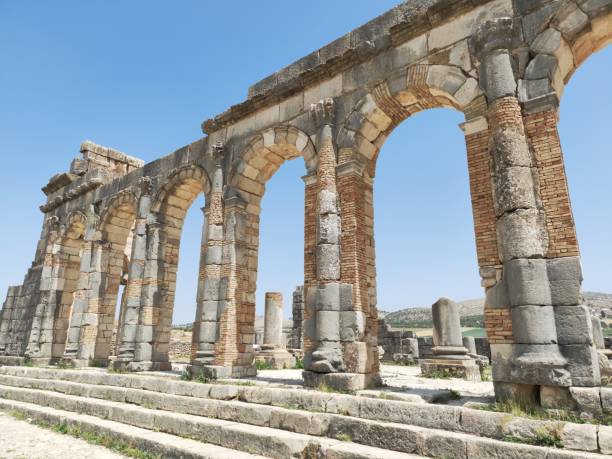
Under the reign of Emperor Augustus, Chellah was incorporated into the Roman Empire and renamed “Sala Colonia“. It became a prosperous city with baths, temples, and Roman villas.
3. The Islamic Era
In the 12th century, Rabat came under the control of the Almohads, a Muslim dynasty, who fortified the city and built many architectural structures there, including the famous Kasbah des Oudayas.
4. The Age of Pirates
In the 17th century, Rabat was the lair of notorious pirates, such as the Barbarossa brothers, who used the city as a base for their activities in the Mediterranean.
5. French Protectorate
In 1912, Rabat became part of the French protectorate in Morocco. The city underwent major urban transformations under French influence, with wide streets and colonial-style buildings.
6. Capital of Independent Morocco
Rabat was chosen as the capital of independent Morocco in 1956, at the end of the French protectorate. The city became the seat of government and national institutions.
7. Modern Rabat
Today, Rabat is a modern city that harmoniously blends its rich past with a forward-looking vision. It is known for its cultural institutions, universities, embassies, and modern residential neighborhoods.
8. Historic Sites
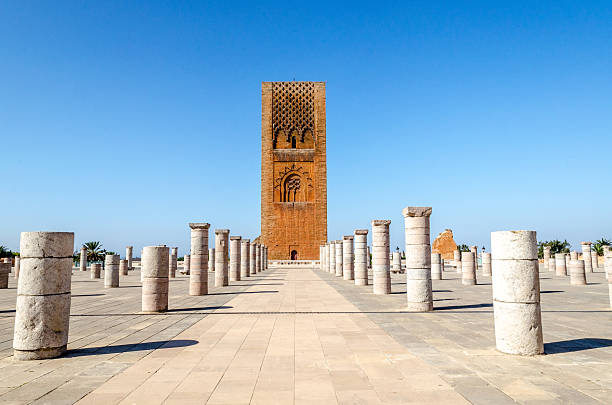
Rabat is home to numerous historic sites, notably the medina, the Kasbah des Oudayas, the Hassan Tower and the Mohammed V Mausoleum. These sites attract thousands of visitors from around the world each year.
9. The Green City
Rabat has also invested in sustainable development and is nicknamed “the green city” thanks to its green spaces, parks, and commitment to the environment.
The history of Rabat is a story of evolution, cultural diversity, and resilience. From its ancient origins to its current status as a modern capital, Rabat is a city that deserves to be discovered and explored.