Morocco, this North African country with varied landscapes and a rich history, is deeply steeped in Islam. In this article, we will explore in depth the place of Islam in Morocco, highlighting its history, its role in Moroccan society, and its influence on the country’s culture and identity.
1. Islam in Morocco: An Ancient Tradition
Islam was introduced to Morocco in the 7th century when the first Muslims arrived on its lands. Since then, Islam has become the country’s predominant religion and plays a central role in the lives of Moroccans.
2. The State Religion
Islam is the state religion in Morocco, and the King of Morocco is also the Commander of the Faithful, which means he holds religious authority in the country. This close relationship between the monarchy and Islam is an essential aspect of Moroccan national identity.
3. Mosques and Places of Worship
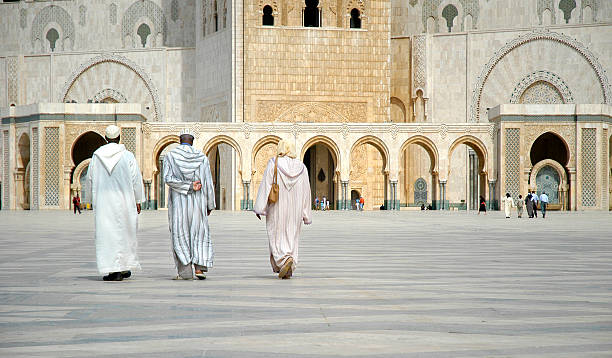
Morocco is dotted with magnificent mosques, sacred buildings that serve as places of prayer, religious education, and community gathering. The Hassan II Mosque in Casablanca is one of the most famous, with its impressive minaret.
4. The Five Pillars of Islam
The five pillars of Islam, which include the declaration of faith, prayer, almsgiving, fasting during Ramadan, and the pilgrimage to Mecca, are observed by many Moroccans. Ramadan, in particular, is an important period of fasting and prayer.
5. The Family Code (Moudawana)
Morocco has recently reformed the Family Code, known as the Moudawana, to grant more rights to women and to align the law with the principles of Islam while adapting them to modern realities.
6. Religious Tolerance
Morocco is known for its religious tolerance. Although Islam is the dominant religion, the country is also home to Jewish and Christian communities that coexist peacefully.
7. Religious Education
Religious education is an integral part of the Moroccan education system. Quranic schools, or madrasas, teach students the principles of Islam as well as the Arabic language.
8. Culture and Religion
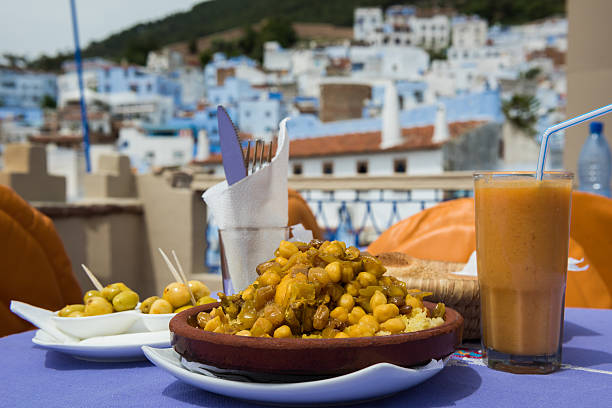
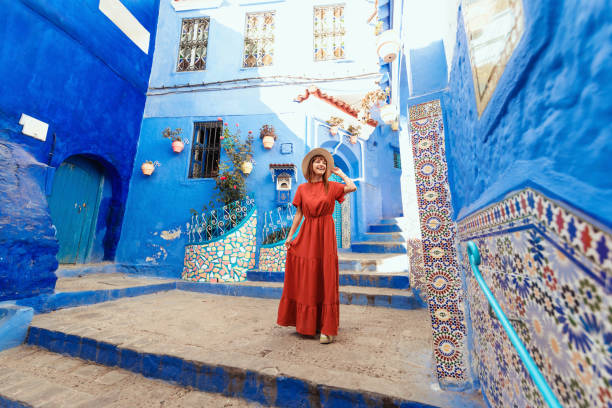
Islam has profoundly influenced Moroccan culture. This is reflected in architecture, art, music, and cuisine. Islamic motifs adorn buildings, while traditional religious chants, such as the muezzins’ calls to prayer, resonate through the streets.
9. The Pilgrimage to Mecca
The Hajj, the pilgrimage to Mecca, is one of the most important duties for Muslims who can afford it. Each year, many Moroccans undertake this sacred journey.
10. The Role of Islam in Politics
Islam also plays a role in Moroccan politics, with Islamist political parties active in the political landscape. Politics and religion are closely linked in Morocco.
Islam is a central pillar of Moroccan identity. It permeates all aspects of life, from religion to culture, from politics to architecture. The coexistence of religious tradition and interreligious tolerance makes Morocco an example of harmonious religious diversity.