The Green March in Morocco is an emblematic event that marked the country’s history. This bold and peaceful initiative had a profound impact on Morocco’s destiny. In this article, we will explore in detail the origins, the outcome and the consequences of the Green March, a fascinating historical chapter.
1. The Origins of the Green March
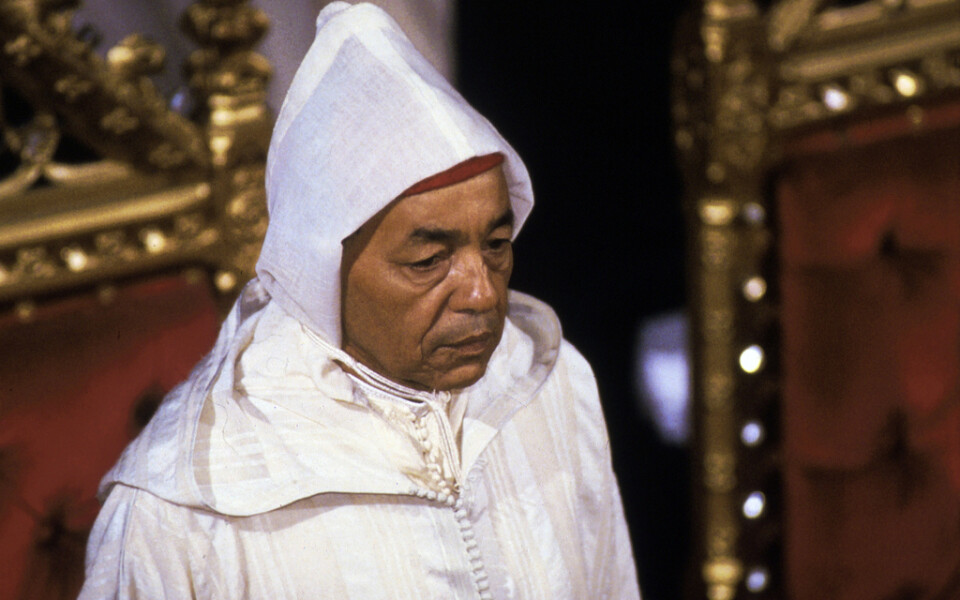
The Green March began in 1975, in response to a delicate situation in the Western Sahara region, then under Spanish control. King Hassan II of Morocco called on the people to mobilize peacefully to claim sovereignty over this region.
2. The Mobilization of the Population
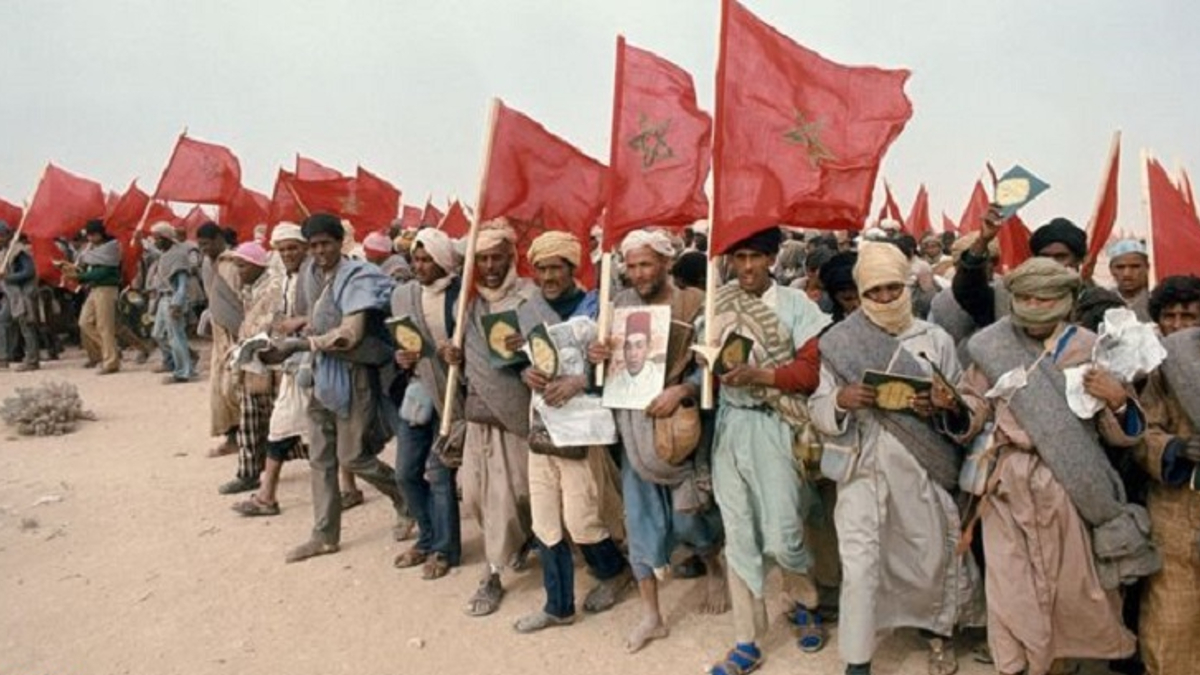
King Hassan II appealed to the population to take part in this historic march. Thousands of Moroccans spontaneously joined the effort, carrying the national flag and walking together toward the Western Sahara.
3. The Peaceful March
The Green March was a peaceful event. Participants marched without violence or confrontation. They expressed their desire to see the Western Sahara join Morocco in a democratic manner.
4. The Signing of the Madrid Accords
International pressure led to negotiations, and ultimately the Madrid Accords were signed in 1975. These agreements resulted in Spain’s withdrawal from the Western Sahara and the reintegration of the region into Morocco.
5. The Impact of the Green March
The Green March had a major impact on Morocco. It strengthened the sense of national unity and consolidated King Hassan II’s position. It also marked the beginning of a new era for the Western Sahara.
6. The Western Sahara Today
Today, the issue of the Western Sahara remains relevant. The final status of the region is still under negotiation between Morocco and other parties involved. The Green March continues to symbolize the importance of this region for Morocco.
The Green March is a historical event that left an indelible mark on Morocco’s history. It embodies the determination of the Moroccan people to defend their unity and sovereignty.