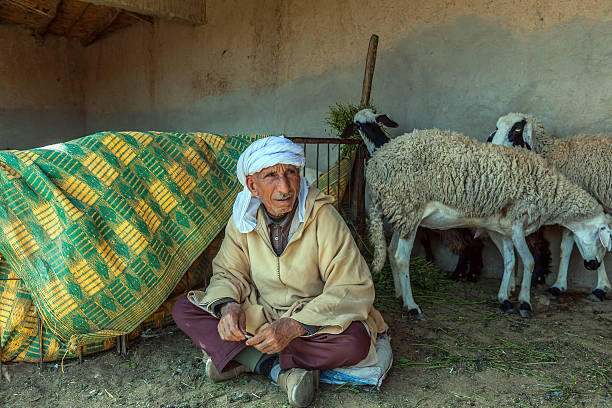
In the heart of Morocco, sheep farming is a tradition rooted for generations. In this article, we will delve into the world of ovine farming in Morocco, exploring its traditional aspects, the challenges it faces and the opportunities it offers for the future.
1. The Tradition of Sheep Farming in Morocco
Ovine farming is an ancient practice in Morocco, dating back centuries. Sheep have always held a place of choice in Moroccan culture, whether for meat, wool or hides.
2. Sheep Breeds in Morocco
Morocco is home to several sheep breeds, each adapted to local conditions. Among the most common are the Sardi breed, the D’man breed, and the Timahdite breed.
3. Sheep in Rural Life
Sheep are an essential source of livelihood for many rural families in Morocco. They provide meat, wool and other derivative products.
4. The Challenges of Sheep Farming
Ovine farming in Morocco faces challenges such as diseases, drought, competition from cereal crops and high feed costs.
5. Modernization of Farming
The Moroccan government has undertaken initiatives to modernize ovine farming, notably by improving infrastructure, genetic selection and veterinary care.
6. Economic Opportunities
Sheep farming presents economic opportunities for Morocco, notably by increasing meat and wool production for export.
7. Sheep Farming and Eid al-Adha
Eid al-Adha, the Feast of Sacrifice, is an important occasion for sheep breeders in Morocco. Families purchase sheep to sacrifice in commemoration of Abraham’s faith.
8. Sheep Farming and Sustainability
Ovine farming in Morocco is also evolving toward more sustainable practices, with growing interest in pasture management, waste reduction and environmental preservation.
9. The Future of Sheep Farming
The future of sheep farming in Morocco is promising, with opportunities for better productivity and greater participation in the national economy.
The sheep farming in Morocco is much more than a simple tradition. It is a pillar of the rural economy and a symbol of Moroccan culture.