At the heart of Morocco, the first madrasas reveal a rich history of education and Islamic architecture. In this article, we will explore these emblematic institutions, delving into their origins, their role in society, and their lasting impact on Moroccan heritage.
1. Historical Origins of Madrasas in Morocco
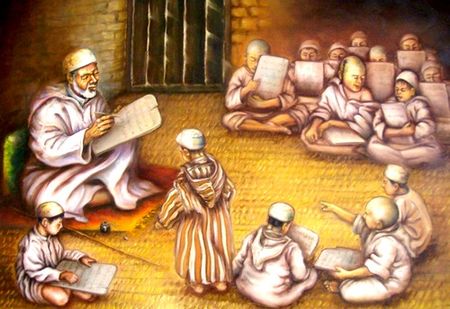
The madrasas, or Quranic schools, have a long history in Morocco dating back to the era of Islamic dynasties. The first madrasas were centers of learning where students devoted themselves to the study of the Qur’an, Islamic jurisprudence, and religious sciences.
2. Elaborate Architecture and Refined Decoration
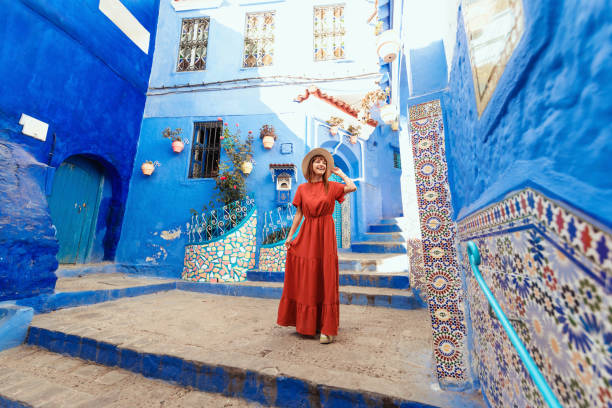
The first Moroccan madrasas are distinguished by their elaborate architecture and refined decoration. From inner courtyards adorned with mosaics to classrooms with carved ceilings, every detail testifies to the artisanal and artistic craftsmanship of the time.
3. The Al-Qaraouiyine Madrasa in Fes
The Al-Qaraouiyine madrasa, founded in Fes in 859 by Fatima Al-Fihri, is recognized as the oldest continuously operating university in the world according to the Guinness World Records. It houses a precious library and was a center of Islamic learning for centuries.
4. The Bou Inania Madrasa in Fes
The Bou Inania madrasa, also in Fes, is an architectural masterpiece of the 14th century. It includes a prayer hall, classrooms, and an inner courtyard decorated with zellige (glazed tile mosaic).
5. The Ben Youssef Madrasa in Marrakech
The Ben Youssef madrasa in Marrakech is another gem. Founded in the 14th century, it hosted students for centuries before becoming a popular tourist site. Its splendid architecture and central patio make it a must-see stop.
6. Cultural and Spiritual Role
Beyond education, the Moroccan madrasas played a central role in the dissemination of culture and spirituality. They were centers where the arts, poetry, and theology were taught, thus contributing to the intellectual flourishing of society.
7. Influence on Islamic Art and Architecture
The influence of the Moroccan madrasas extends beyond the country’s borders, leaving a lasting mark on Islamic art and architecture. Their decorative motifs, calligraphy, and horseshoe arches are recurring elements in Islamic monuments.
8. Restoration and Preservation
In order to preserve this rich heritage, restoration efforts are undertaken to maintain the architectural integrity of the madrasas. This allows current and future generations to appreciate these historical treasures.
9. The Tourist Impact of Moroccan Madrasas
The madrasas of Morocco today attract visitors from around the world. Their preservation and opening to tourism contribute to the local economy and to the promotion of Morocco’s cultural heritage.
10. Diving into the Legacy of the Madrasas
Exploring the first madrasas in Morocco offers a fascinating dive into history, architecture, and Islamic education. Each madrasa tells a unique story that bears witness to Morocco’s cultural richness.
The first Moroccan madrasas are far more than historic buildings; they are guardians of knowledge, witnesses of the past, and cultural treasures.