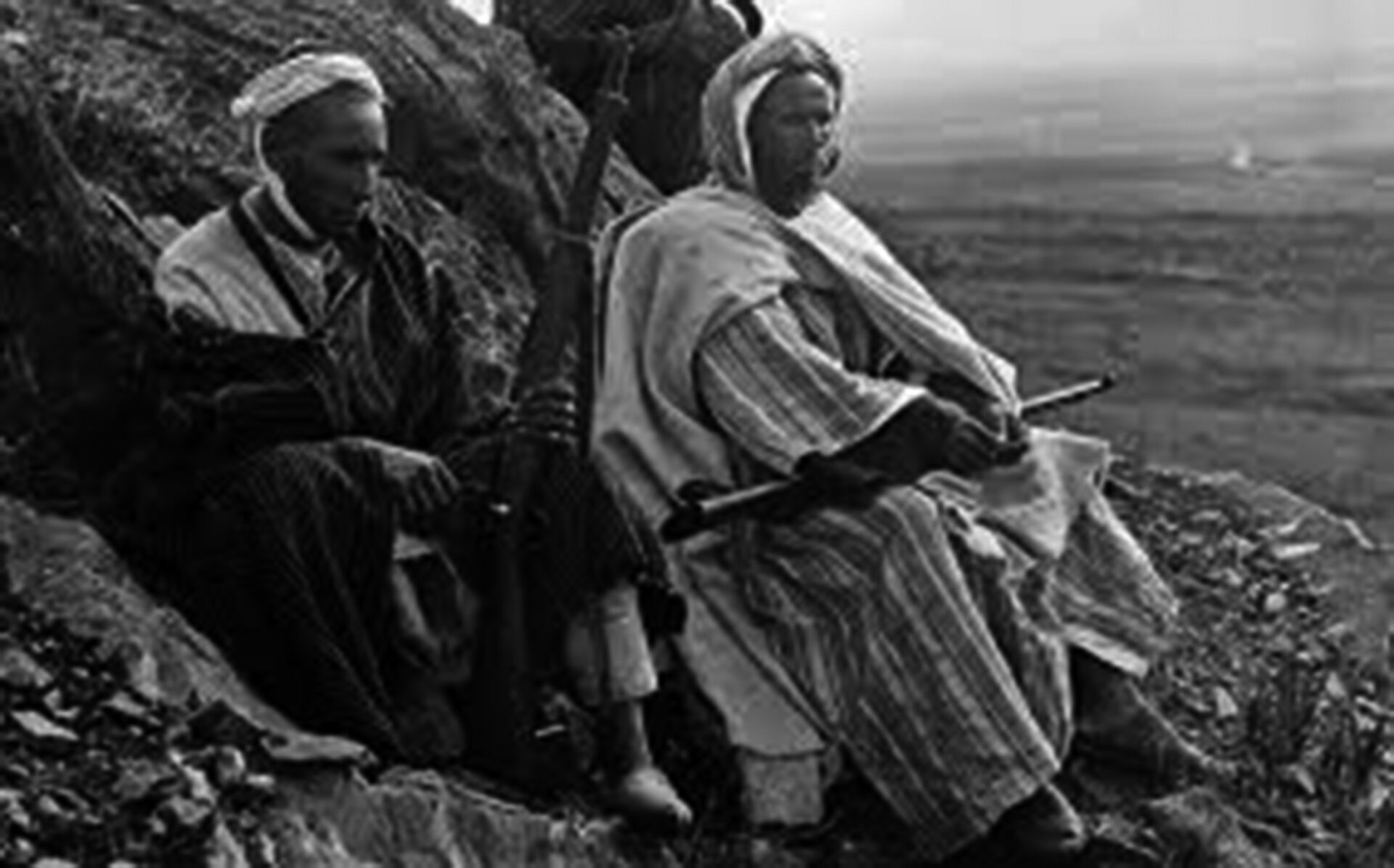
The Rif War is a little-known but crucial chapter of Moroccan history. This tumultuous period, marked by armed conflicts in the Rif region, left an indelible mark on the country. Let’s delve into the details of this often-forgotten war and its lasting implications.
1. Historical Context : The Rif region has long been a center of resistance and independence. Before the war, it was already known for its distinct culture and its fierce determination to preserve its autonomy in the face of outside influences.
2. Causes of the War : The causes of the Rif War are multiple, combining political, economic, and social elements. Tensions related to colonization, economic inequalities, and territorial claims fueled the conflict.
3. The Charismatic Leader : Abdel-Krim, a military and political leader, emerged as the emblematic face of the Rifian resistance. His charisma and determination strengthened the troops and inspired admiration, making him a central figure of the war.
4. Key Battles : The war was punctuated by fierce battles. The Battle of Anoual in 1921 was a turning point, where Rifian forces inflicted a humiliating defeat on the Spanish troops, provoking an international shock and putting the Rif at the center of attention.
5. Consequences and Treaties : The war ultimately ended with the signing of the Treaty of Algeciras in 1925, which divided the Rif between Spain and France. The consequences of this division left deep scars, influencing the regional and national dynamics.
6. Legacy and Memory : The legacy of the Rif War persists in the Moroccan collective memory. The events of that era continue to influence political and social relations in the region, recalling the struggle for independence and the preservation of Rifian cultural identity.