Grief is a universal experience, but its expression and management vary across cultures. In Morocco, a land steeped in traditions and values, the grieving process takes on particular significance. In this article, let us dive into how grief in Morocco unfolds, exploring the cultural, religious, and psychological aspects that define it.
1. Funeral Rites: Between Tradition and Spirituality
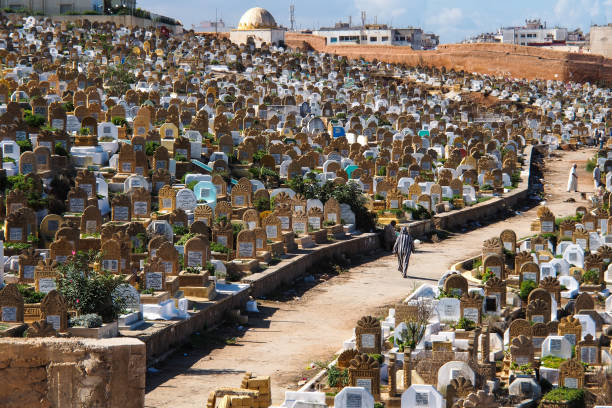
In Morocco, funeral rites are deeply rooted in tradition and religion. The deceased’s relatives actively participate in the preparations, from washing the body to the burial. The community’s presence during these moments underscores the importance of social support.
2. The Time of Mourning: Respect for Traditions and Pain
Grief in Morocco follows specific mourning periods, often observed with rigor. The deceased’s family receives visits and expressions of support during this time, creating an environment where pain can be shared and soothed collectively.
3. The Role of Religion: Spiritual Comfort
The religious dimension plays a central role in the grieving process in Morocco. Religious ceremonies, prayers, and readings from the Quran bring comfort and solace to the deceased’s relatives, reinforcing the spiritual dimension of grief.
4. Psychological Support: Shifting Mindsets
Although tradition and religion are essential, Morocco is also experiencing a shift toward growing recognition of the need for psychological support. Mental health professionals intervene to accompany bereaved individuals through their emotional journey.
5. The Impact of Urban Cultures: Between Tradition and Modernity
In Morocco’s urban areas, the influence of modernity is felt in how grief is experienced. From online bereavement services to virtual support circles, technology and globalization are gradually transforming the traditional dynamics of mourning.
A Shared and Transformative Journey
In conclusion, grief in Morocco is a shared journey between traditions, spirituality, and adaptation to societal changes. Understanding these multiple facets makes it possible to grasp the scope of this emotional experience within Moroccan culture.