The Moroccan tile is much more than a simple floor covering. It is an art that skillfully blends refined aesthetics and Morocco’s cultural heritage. In this article, we dive into the enchanting world of these beautifully decorated tiles, exploring their history, unique motifs, and their indispensable place in Moroccan architecture.
1. Historical Heritage: An Art Passed Down Through the Centuries
The history of Moroccan tile goes back centuries. Inspired by Islamic art, Moroccan craftsmen developed manufacturing and decorating techniques that evolved over time while preserving their artistic essence.
2. Meticulous Craftsmanship: Shaping Tiles by Hand
The distinctive element of Moroccan tile lies in its artisanal process. Each tile is made and decorated by hand, involving meticulous attention in cutting, glazing, and setting the patterns, thus creating unique works of art.
3. Geometric and Floral Motifs: Symbols with Meaning
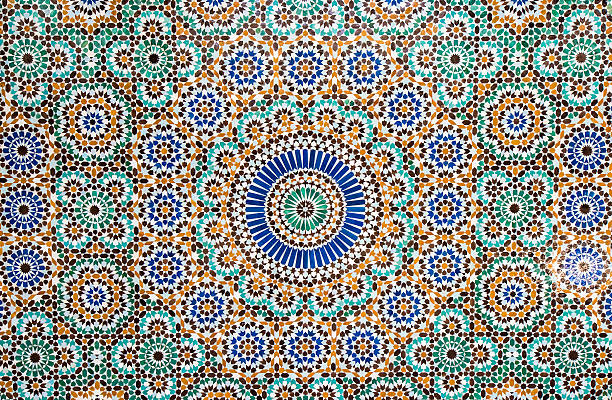
The characteristic motifs of Moroccan tile are often geometric or floral. These designs are not simply decorative, but also carry deep symbolic meanings, reflecting elements of nature or spiritual concepts.
4. Versatile Use: From Floors to Walls, an Elegant Touch
The Moroccan tile is not reserved for floors only. These artistic tiles also adorn walls, fountains, and tables. Their versatile use allows integrating an elegant and authentic touch into various architectural spaces.
5. Vibrant Colors: A Captivating Palette
The color palette of Moroccan tile is rich and vibrant. Warm shades of blue, green, yellow, and red create a warm and welcoming atmosphere. These lively colors are achieved through traditional glazes, imparting a vivid atmosphere to any environment.
The Eternal Radiance of Moroccan Tile
The Moroccan tile is much more than a simple decorative element. It is an artistic heritage that endures, adding a touch of eternal radiance to Moroccan architecture and interiors around the world.