Morocco, rich in history and traditions, has been shaped by the succession of kings who have occupied the throne. Let us dive into this royal world to understand who the kings of Morocco are, their role in society, and their impact on the country’s development.
1. The Foundations of the Moroccan Monarchy:
The monarchy in Morocco has deep roots dating back several centuries. The country has experienced a series of dynasties, each bringing its own influence to governance and national identity. Currently, the king is the head of state and exercises executive authority.
2. Mohammed VI: The Current Monarch:
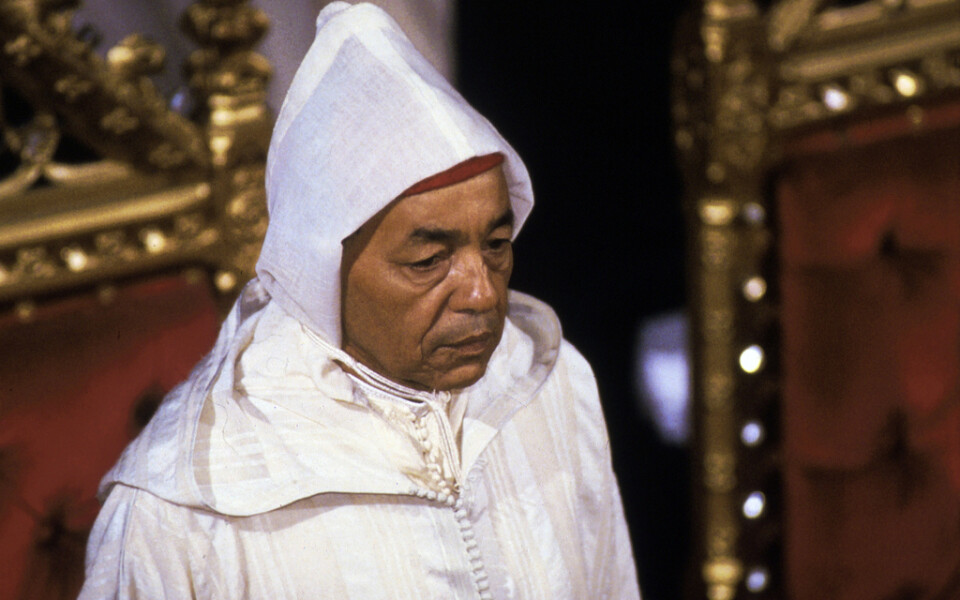
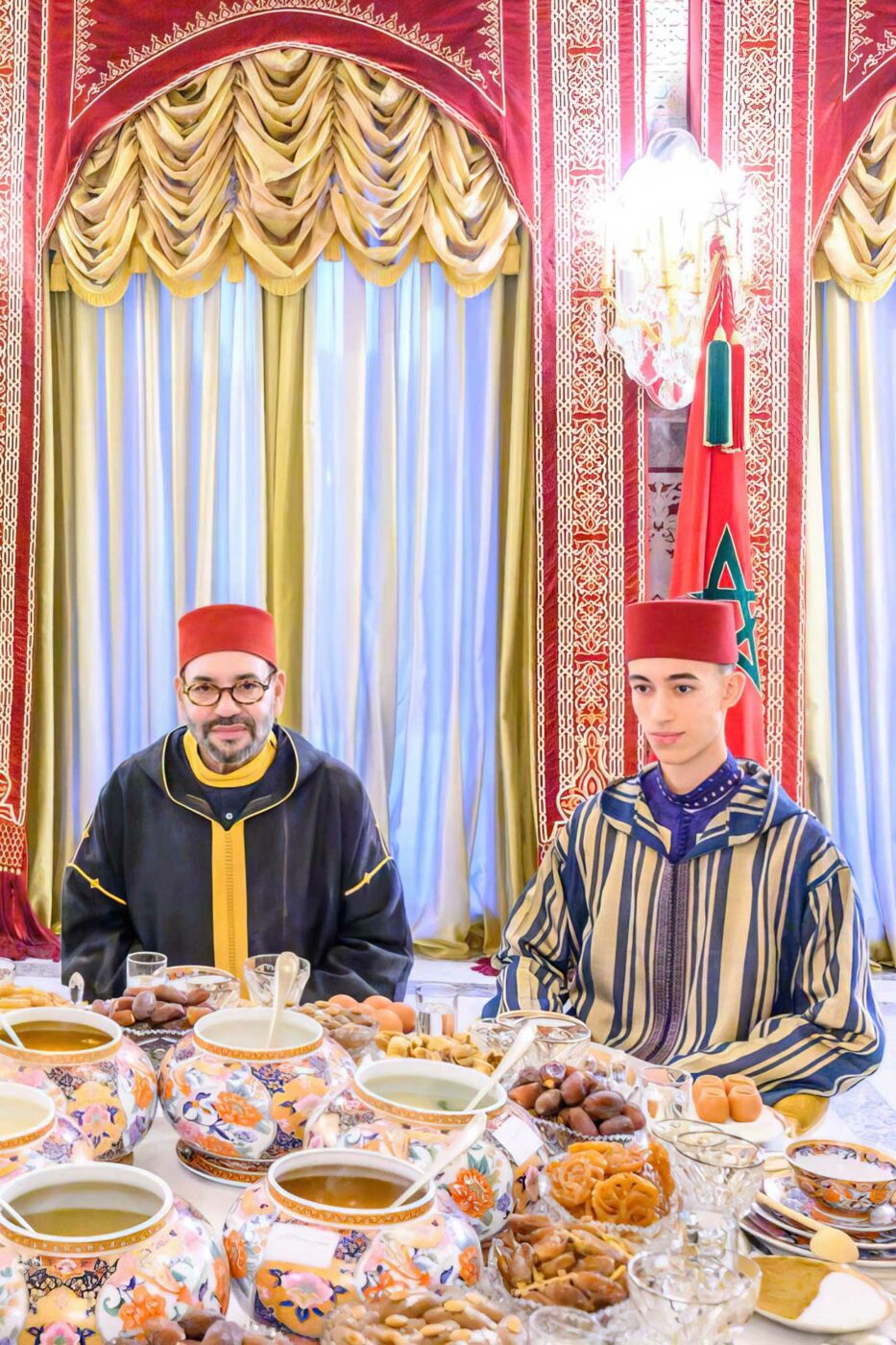
Mohammed VI has reigned over Morocco since 1999, succeeding his father, Hassan II. His reign has been marked by economic and social reforms, as well as a relative opening of the political system. The king plays a central role in the country’s political and social life.
3. The Alaouite Dynasty:
The ruling dynasty in Morocco is known as the Alaouite dynasty. It dates back to the 17th century with the rise to power of Moulay Ali Cherif. The continuity of this dynasty underlines the relative political stability it has brought to Morocco.
4. Role and Powers of the King:
The king of Morocco plays a crucial role in the governance of the country. Beyond his ceremonial functions, he is involved in political, diplomatic, and economic decision-making. The king is also the Commander of the Faithful, giving a religious dimension to his authority.
5. Social and Economic Commitments:
The kings of Morocco, including Mohammed VI, have often emphasized the country’s social and economic development. Initiatives such as the Plan Maroc Vert for agriculture, the Plan Emergence for industry, and infrastructure projects have been launched to stimulate growth and improve living conditions.
6. The Constitutional Monarchy:
Morocco is a constitutional monarchy, which means the king shares power with an elected government. The 2011 Constitution introduced reforms aimed at strengthening the role of Parliament and guaranteeing fundamental rights.
7. Cultural and Symbolic Heritage:
The kings of Morocco also occupy an important place symbolically and culturally. They are seen as guardians of national unity and of the country’s cultural diversity. Royal celebrations, official events, and the preservation of heritage are an integral part of their role.