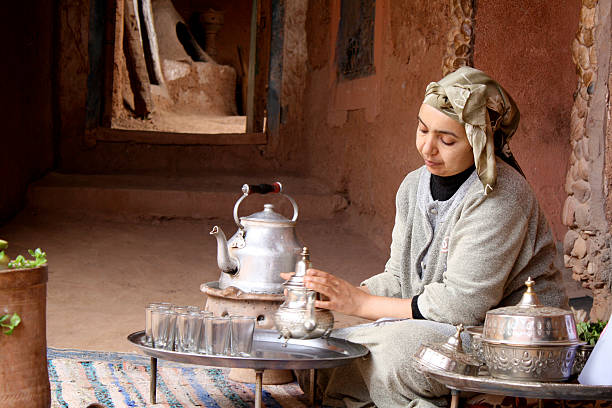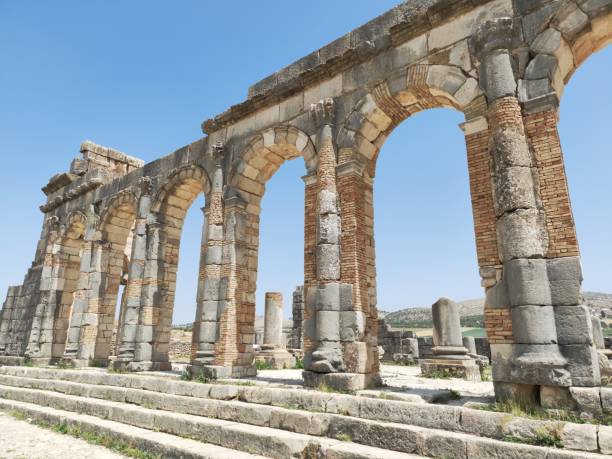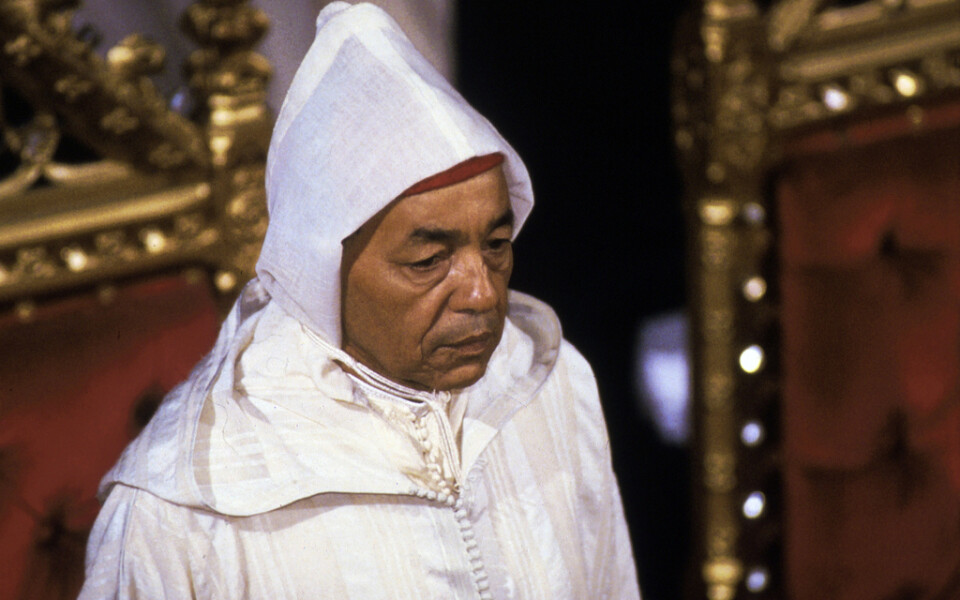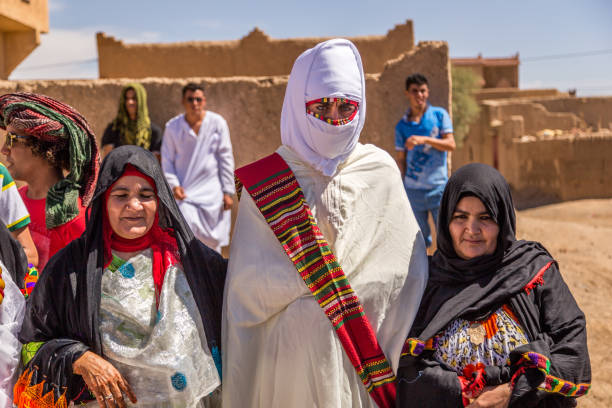
The Berbers of Morocco, also called Amazighs, represent a fundamental part of the country’s history and culture. These indigenous peoples have managed to preserve their traditions and their language through the centuries, despite various external influences.
Origins and History of the Berbers
The Berbers have been present in Morocco for more than 4,000 years. They originate from North Africa, a region known as Tamazgha, which today includes Morocco, Algeria, Tunisia, Libya, and part of the Sahel. Their history is marked by resistance to Roman, Arab and French invaders, illustrating their determination and resilience.
Language and Culture
The Berber language, or Tamazight, has been recognized as an official language in Morocco since 2011. It is taught in schools and used in the media. Berber culture is rich in traditions, including festivals such as the Moussem of Imilchil and unique artisanal practices such as pottery, embroidery and jewelry making.
Contribution to Moroccan Society
The Berbers have played a crucial role in the development of Moroccan society. They have influenced the country’s cuisine, architecture and music. The Berber dynasties such as the Almoravids and the Almohads have left their mark on Morocco’s history through their architectural achievements and their contributions to Islamic science and culture.
Modern Challenges and Recognition
Today, the Berbers continue to struggle for the recognition of their cultural and linguistic rights. The Amazigh movement campaigns for greater integration of the Berber language and culture into Moroccan public life.
The Berbers of Morocco are a pillar of national identity, bearers of a heritage that continues to resonate through the ages. Their history and culture are treasures that enrich modern Morocco.